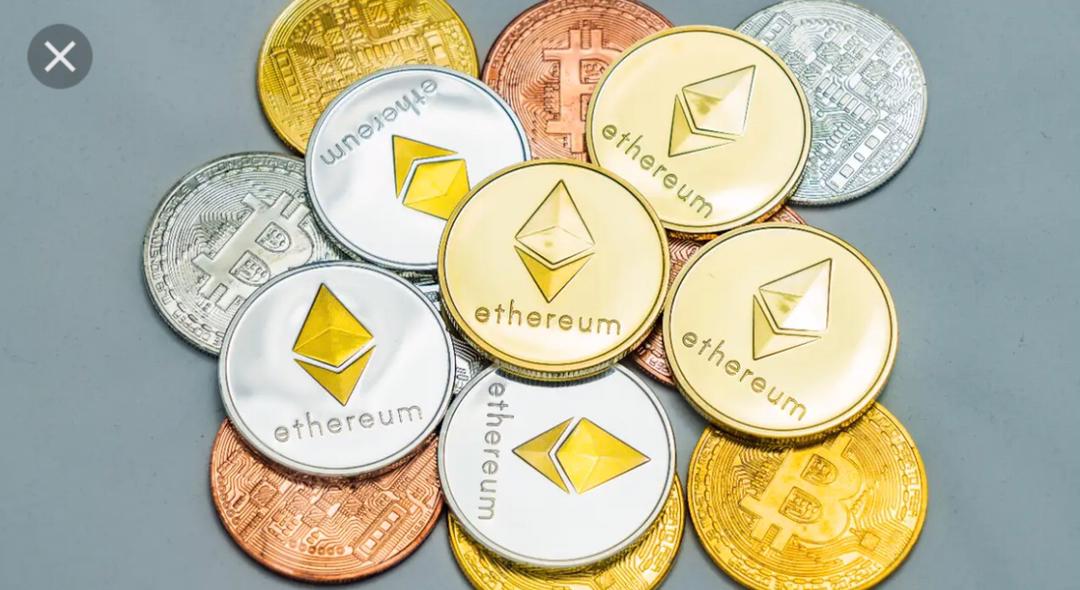
BEYOND THE HYPE: How Cryptocurrency Became a Major Player in Global Finance
Remember when Bitcoin was just a punchline? For years, it was the digital equivalent of Beanie Babies—a speculative toy for tech bros and dark web denizens. Mention crypto at a dinner table a decade ago, and you'd get a chuckle and a change of subject.
Today, you’d better sit down. Cryptocurrency has evolved from a fringe internet experiment into a trillion-dollar asset class that is reshaping how the world moves money. From the bustling streets of Lagos to the trading floors of Wall Street, digital assets are no longer a curiosity; they are a major form of financial transaction. But how did we get here, and what does this "Wild West" of finance mean for the average person?
From Libertarian Dream to Institutional Reality
The journey of cryptocurrency is a classic tale of rebellion growing up and getting a job. Initially, Bitcoin was created in the wake of the 2008 financial crisis as a middle finger to the banks—a decentralized, peer-to-peer cash system that no government could print into oblivion.
For the first few years, it stayed true to that rebellious spirit. But the real explosion happened when the infrastructure matured. The introduction of Ethereum brought "smart contracts," allowing developers to build entire financial applications on the blockchain. Then came the "DeFi" (Decentralized Finance) summer of 2020, where people could lend, borrow, and earn interest on their crypto without ever stepping foot in a bank.
The game-changer, however, was the arrival of the institutional investors. When Tesla added Bitcoin to its balance sheet, when Fidelity started offering crypto trading, and when the first Bitcoin Exchange-Traded Funds (ETFs) were approved in major markets like the U.S., the narrative shifted. Crypto was no longer just for anarchists and speculators; it was an asset class that demanded the attention of pension funds and portfolio managers.
Why Crypto is Winning: The "Why" Behind the Growth
So, what is fueling this meteoric rise? It isn't just greed. There are fundamental, practical reasons why cryptocurrency is becoming a mainstream transaction method.
1. Speed and Cost (Especially Across Borders): This is the killer app. Sending money internationally through traditional banks is a painful experience. It takes days, involves hidden fees, and eats a percentage of your transfer in forex spreads. Cryptocurrency transactions, particularly with stablecoins (crypto pegged to the dollar like USDT or USDC), can happen in seconds for a fraction of a penny. For a country like Nigeria, with a massive diaspora sending remittances home, this is revolutionary. It puts money back in the pockets of families instead of enriching intermediary banks.
2. Financial Inclusion: The World Bank estimates that nearly 1.4 billion adults worldwide are unbanked. They don't have a bank account, but many have a smartphone. Crypto offers them a direct on-ramp to the global economy. You don't need a credit check or a physical address to set up a crypto wallet. If you have an internet connection, you have a bank in your pocket.
3. Inflation Hedge (The "Digital Gold" Narrative): In countries experiencing hyperinflation—like Venezuela, Argentina, or Zimbabwe—the local currency can become worthless overnight. Citizens have flocked to cryptocurrencies like Bitcoin and USDT to preserve their life savings. It’s a way to opt-out of a failing local economy and store value in a global, neutral asset.
The Nigerian Exception: A Case Study in Adoption
You cannot talk about the growth of crypto in today's world without mentioning Nigeria. Despite regulatory pushback from the Central Bank of Nigeria (CBN), which has seen banks restricted from servicing crypto exchanges, Nigeria consistently ranks among the top countries for crypto adoption globally.
Why? Necessity. For a youthful, tech-savvy population facing currency devaluation and difficulty accessing foreign exchange for international trade, crypto became the solution. P2P (Peer-to-Peer) trading exploded, allowing Nigerians to buy and sell USDT with Naira directly. It has become the grease for the wheels of international business, allowing freelancers to get paid and importers to source goods. It is a testament to the fact that when a financial tool solves a real problem, people will find a way to use it—regulations or not.
The Road Ahead: Regulation and Maturity
Of course, the growth hasn't been without its catastrophes. The collapse of FTX, a formerly top-tier exchange, showed the world that the "Wild West" is still dangerous. Scams, hacks, and market manipulation.