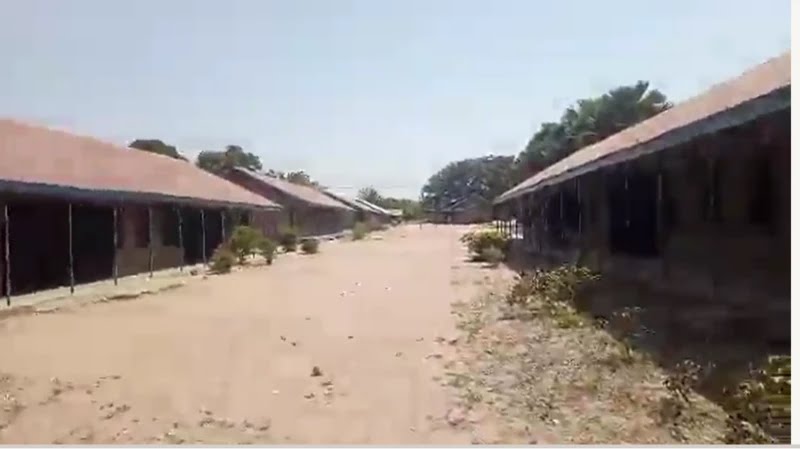
In the shadows of Niger State, where fear looms larger than hope, the Governor, Mohammed Bago, ordered the closure of all schools following a brutal terrorist attack on St. Mary’s Private Primary and Secondary School. Over 300 pupils and teachers were snatched from their classrooms, leaving families shattered and communities paralyzed with dread. This isn’t just a story; it's a recurring nightmare, a grim reality for those who live here.
The governor's announcement, came after a high-level security meeting. The statement from the governor's Chief Press Secretary, Bologi Ibrahim, was meant to reassure, but it is filled with the same empty promises and bureaucratic jargon that we've heard countless times before. The armed assailants didn’t just storm a school; they invaded our lives, our sense of safety, and our very right to an education.
In a defiant tone, Governor Bago declared that all missionary, Islamic schools, and tertiary institutions in the state would close until further notice. He spoke as if this were a temporary inconvenience, as if the lives of students and teachers were mere pawns in a larger game of politics. “All missionary, Islamic Schools and Federal Government Colleges should be shut down until further notice,” he commanded, further isolating our children from the education they desperately need.
In his call to arms, Bago urged security agencies, civil society groups, and religious leaders to unite. However, where was this coalition when the sirens of distress first rang? It’s easy to rally the community now, but the neglect leading up to this crisis is what truly silences us. His reassurances of the government's commitment ring hollow in the face of our daily struggles, as we wonder why our children's safety seems perpetually compromised.
While Bago described the abduction as “sad and unfortunate,” the gravity of this tragedy extends far beyond his words. It’s a reflection of systemic failure. “The number of children kidnapped from St. Mary’s Catholic School has not been ascertained,” he admitted, revealing a shocking lack of preparedness. How can we trust a government that doesn’t even know how many lives are at stake?
The pleas for calm and understanding feel like a slap in the face when parents are left in the dark about their children’s fate. The attack was executed by bandits on motorcycles, a stark reminder of the lawlessness that reigns in Niger State. Most Rev. Bulus Yohanna, Chairman of the Niger State chapter of the Christian Association of Nigeria, estimated that around 315 individuals vanished during this horror. Yet, the narrative shaped by those in power often overlooks the human tragedy at its core.
As schools shutter and families break down, we are left to wonder: Is this the price of education in Niger State? The closure of schools isn’t just a reaction; it’s a surrender to fear, a resignation to a life of uncertainty. Our children are not collateral damage; they are victims of a systemic crisis that demands attention. We are not just statistics; we are voices yearning to be heard, stories waiting to be told. The fight for our children’s safety and future has only just begun, and we refuse to be silenced any longer.