Solar Energy as a Possible Solution to Nigeria’s Electricity Challenges
Nigeria’s electricity supply has remained a major challenge for many years, affecting homes, businesses, schools, and hospitals across the country. Frequent power outages and unstable electricity from the national grid have forced many Nigerians to depend on generators and other alternative power sources. However, energy experts and scientists are increasingly suggesting that solar energy could provide a more sustainable solution to the country’s power problems.
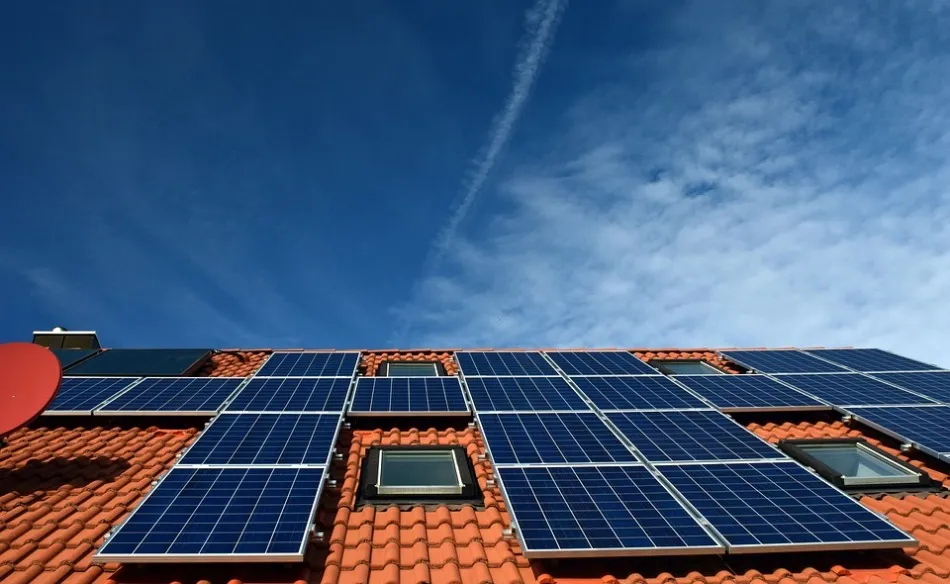
Solar energy is generated by converting sunlight into electricity through the use of photovoltaic panels. Because Nigeria receives a large amount of sunlight throughout the year, experts believe the country has strong potential to benefit from solar technology. In recent years, renewable energy researchers and institutions such as the University of Lagos have explored different ways solar power can be used to improve electricity access, particularly in rural communities where connection to the national grid is limited or unavailable.
One of the major advantages of solar energy is that it can be installed in small systems known as solar mini-grids. These mini-grids can power homes, schools, health centers, and small businesses within a community. In many rural areas where electricity infrastructure is lacking, solar systems can provide a reliable source of energy for lighting, refrigeration, communication devices, and other basic needs.
Apart from improving electricity access, solar energy is also considered environmentally friendly because it produces little or no greenhouse gas emissions. Environmental scientists argue that increasing the use of renewable energy sources such as solar power can help reduce dependence on fossil fuels and contribute to global efforts to address climate change.
Despite its benefits, some challenges remain in adopting solar technology widely in Nigeria. The cost of purchasing and installing solar panels and batteries can be expensive for many households. There are also concerns about maintenance, technical expertise, and the need for supportive government policies to encourage investment in renewable energy infrastructure.
However, many energy analysts believe that with proper investment and awareness, solar technology could significantly improve electricity access in Nigeria, especially in communities that have long struggled with unreliable power supply.
From my own perspective as a student observing the situation, the growing attention given to solar energy suggests that it may become an important part of Nigeria’s energy future. While it may not completely replace other sources of electricity immediately, it appears to be a practical option that could help reduce the pressure on the national grid and improve the quality of life for many people.