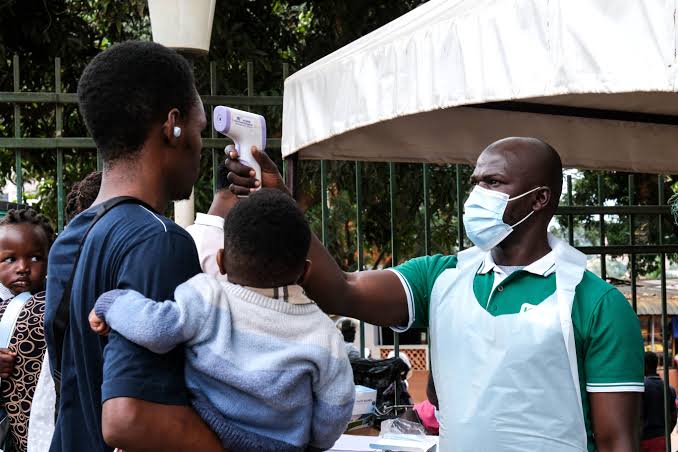
Ugandan health authorities have intensified screening and emergency measures in Kampala after confirming two new Ebola infections in the capital, heightening concern that the deadly virus could spread beyond border districts.
The latest patients are Ugandan health workers employed at a private facility in the city, according to the Ministry of Health. Both were quickly transferred to a designated Ebola treatment unit, where they are being monitored in isolation by specialist teams.
Officials say contact tracing is now in high gear. Dozens of colleagues, patients and family members are being followed up daily, with health workers visiting homes to check temperatures and look for early signs of illness. The ministry has urged the public to report anyone with sudden fever, unexplained bleeding, vomiting or weakness.
At Mulago National Specialised Hospital, the country’s main referral facility, visitors queue at checkpoints where nurses in protective gear take temperatures, enforce handwashing and record personal details for possible tracing. Similar screening points have been set up at bus terminals, markets and some churches.
Despite the anxiety, many Kampala residents say they are reassured by the speed of the response. Student Joseph Okalo said previous crises, including COVID-19, had shown that the health system can adapt under pressure and that public messaging on Ebola symptoms and prevention is now widely understood.
Medical staff echo that view, noting that standard operating procedures were activated as soon as the first cases were confirmed. Junior surgeon Joel Kitiibwa said hospitals had been briefed on isolation protocols, and that routine practices such as hand sanitising and temperature checks were already in place in many public spaces.
Others are less confident, warning that Uganda’s porous western frontier remains a weak point. Psychologist Betty Nyangoma called for tighter controls on travellers from the neighbouring Democratic Republic of Congo, where the World Health Organization has reported hundreds of suspected Ebola infections and deaths in recent months.
Uganda has already suspended public transport links with eastern Congo after earlier cases were traced to Congolese nationals who crossed the border. Health experts say that move, combined with aggressive tracing and community awareness, will be critical to preventing sustained transmission in the densely populated capital.
Ebola is a highly infectious viral disease spread through direct contact with the bodily fluids of an infected person. Without swift isolation and treatment, it can lead to severe bleeding, organ failure and death, making early detection and public vigilance essential to halting an outbreak.