Algeria’s 2-0 defeat to Nigeria in the quarterfinals of the 2025 Africa Cup of Nations has triggered a formal regulatory process, with the Algerian Football Federation (FAF) submitting complaints to both the Confederation of African Football (CAF) and FIFA regarding the match officiating.
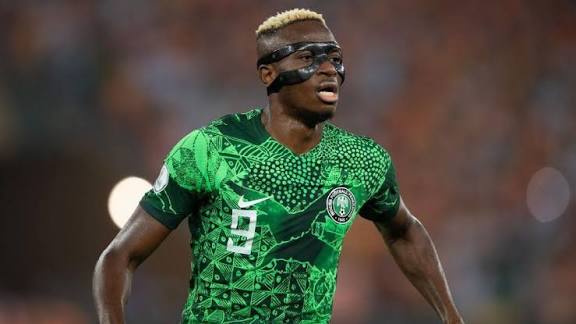
The match, played in Marrakech and decided by goals from Victor Osimhen and Akor Adams, has become a case study in ongoing concerns about refereeing standards in African competitions. The FAF asserts that specific refereeing decisions materially affected the game and is requesting a structured review and possible sanctions.
In its official communication, the FAF states that it is contesting several key decisions made by the match officials. While the federation’s initial statement did not enumerate each incident, Algerian media and analysts have focused on a disallowed goal, rejected penalty appeals, and disciplinary calls that they argue influenced the competitive balance of the match.
The FAF claims that the officiating in this match damages the credibility of African refereeing and the broader image of African football. It reports having submitted a detailed dossier to CAF and FIFA, including video evidence and technical analysis, and has requested a formal investigation into the performance and conduct of both the on-field referees and the video assistant referees.
According to the FAF, the complaint is not confined to isolated errors. It is framed as part of a wider concern about systemic issues in referee appointment, evaluation, and accountability in major African competitions. The federation argues that recurring controversies can erode public confidence in match outcomes and in AFCON’s status as a leading international tournament.
Post-match footage showed visible confrontation between Algerian players and the officiating team, with players surrounding the referee and assistants. Security personnel intervened near the touchline as tensions escalated, and there were indications of attempted incursions from sections of the crowd before order was restored.
CAF has acknowledged the post-match disorder and has opened an inquiry into the conduct of players, team officials, and other individuals present on the field and in technical areas. It has collected reports from the referee, match commissioner, and security coordinator, along with broadcast and supplementary video material, and has referred the matter to its Disciplinary Board.
Potential outcomes from CAF’s disciplinary process range from financial penalties and formal warnings to suspensions for individuals or sanctions against federations, depending on the findings. At this stage, CAF has not signaled any intention to revisit the match result. Historically, match outcomes are rarely altered unless there is clear evidence of match-fixing, use of ineligible players, or major procedural violations.
For Algeria, the loss ends a campaign positioned as part of a medium-term rebuilding strategy following previous underperformances at continental and global level. The national team has undergone notable changes in both squad composition and technical leadership, and this tournament was viewed internally as a step in a longer reconstruction process.
In its statement, the FAF combines criticism of officiating with a message of continuity. It calls on supporters to maintain backing for the players and technical staff, characterizing the current team as being in a reconstruction phase and presenting the AFCON experience in Morocco as a data point in a longer development trajectory rather than an endpoint.
The FAF identifies qualification for the 2026 World Cup as a primary strategic objective. It emphasizes what it views as positive indicators in the team’s performances across the tournament, aside from the disputed quarterfinal, and frames these as evidence of incremental progress and renewed competitiveness.
Domestic reaction in Algeria has been intense and heavily focused on refereeing. Local media and online platforms have devoted significant airtime and space to reviewing the key incidents, often with input from former players and refereeing specialists. Many of these commentators align with the FAF’s position, arguing that certain decisions were inconsistent with how similar situations have been handled in other AFCON fixtures, particularly in relation to VAR usage.
Other analysts, however, have highlighted performance variables independent of officiating. They point to Nigeria’s tactical organization, efficiency in front of goal, and game management as decisive factors. From this perspective, Osimhen’s and Adams’ goals are viewed as the result of effective attacking patterns, while Algeria’s inability to convert periods of pressure into high-quality chances is cited as a critical performance deficit.
In Nigeria, the primary narrative centers on a successful sporting outcome rather than officiating controversy. The Super Eagles’ progression has been attributed to strong individual displays, especially from Osimhen, and a cohesive defensive structure. Nigerian commentary has generally treated the Algerian complaints as a predictable reaction to elimination, maintaining that while refereeing may not have been perfect, it did not decisively skew the match.