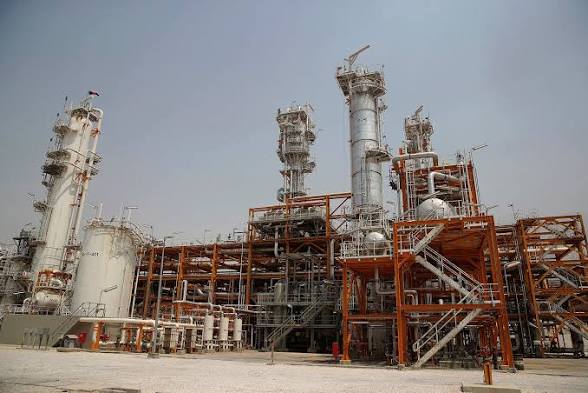
Iran has announced the discovery of a major natural gas deposit in the southern province of Fars, a find officials are portraying as both an economic windfall and a strategic asset for a sanctions-hit energy sector.
Oil Minister Mohsen Paknejad said the newly identified field holds more than 7.5 trillion cubic feet of gas, with about 5.7 trillion cubic feet considered technically recoverable. That implies a recovery rate of just over 72 percent, placing the field among Iran’s more promising onshore discoveries.
Paknejad described the deposit as a “significant addition” to national wealth and stressed one key technical advantage: the gas is classified as sweet, meaning it contains relatively low levels of sulphur and other contaminants that typically require costly treatment.
“Because the gas is sweet, it helps bring down both development costs and the costs of production and operation,” he said, arguing that the quality of the resource could shorten project timelines and improve profitability once development begins.
To underscore the scale of the discovery, Paknejad compared the recoverable volume to the amount needed to supply one phase of Iran’s giant South Pars field for roughly 15 years. South Pars, shared with Qatar, is the centrepiece of Iran’s gas industry and a benchmark for any new find.
Authorities have not disclosed the precise location or name of the new field, nor have they provided a schedule for appraisal drilling, infrastructure construction or the start of commercial output. Energy analysts note that moving from discovery to production typically requires years of investment, regulatory approvals and the installation of pipelines, processing plants and power links.
The announcement comes as Tehran faces mounting constraints on its oil exports under US sanctions and what Iranian officials describe as a de facto naval blockade limiting tanker movements. With crude sales under pressure, gas has taken on greater importance as both a domestic fuel and a potential export commodity via pipelines or liquefied natural gas projects.
Iran already holds some of the world’s largest proven gas reserves, but development has lagged because of financing difficulties, technology restrictions and political risk. The Fars discovery, if rapidly developed, could help Iran meet rising domestic demand for power generation and industry, while freeing up other supplies for regional export deals.
For now, the find is being framed in Tehran as a statement of resilience: evidence that, despite sanctions and isolation, the country’s vast hydrocarbon potential continues to expand beneath its own soil.