By Okorie Esther
Lung cancer is still the leading cause of cancer deaths worldwide. This is mainly because it is often found at a late stage.
Today, artificial intelligence (AI) is changing this situation by helping doctors spot lung cancer earlier and more accurately. This gives patients a much better chance at successful treatment.
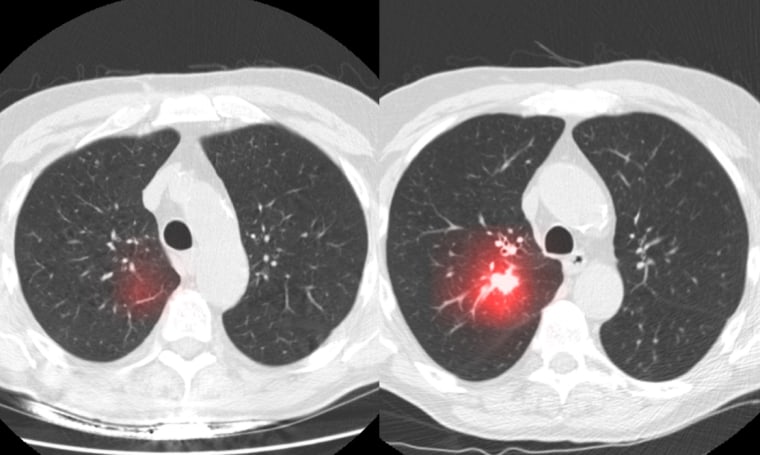
One of the most promising AI tools is Sybil. Researchers at Mass General Brigham collaborated with MIT to develop this system. It can analyze a single low-dose chest CT (LDCT) scan and predict a person’s risk of developing lung cancer up to six years in the future. This includes people without a history of heavy smoking.
How AI Improves Early Detection
Traditionally, lung cancer detection depends on radiologists carefully looking over CT scans. This process can take a lot of time and is tough, especially when examining subtle early-stage changes. AI improves this process by:
- Analyzing patterns in lung tissue that are not visible to the human eye
- Identifying patients at higher risk for lung cancer
- Providing real-time decision support to help clinicians prioritize follow-ups
AI-based tools like Sybil only need one CT scan. This removes the need for extensive patient data or multiple manual reviews. As a result, hospitals can integrate AI easily into routine screening programs.
By catching early-stage cancers that might go unnoticed, AI lets doctors personalize screening, offer timely treatments, and improve outcomes. For patients, this means a greater chance of early diagnosis, more treatment options, and possibly better survival rates.
The Importance of Early Detection
Early detection is vital because lung cancer often develops quietly, with few symptoms until it has advanced. Research shows that low-dose CT screening can reduce lung cancer deaths by up to 24%. AI enhances this by pointing out risk patterns that even experienced radiologists might miss.
Patients identified as high-risk through AI can receive more frequent monitoring, additional scans, or preventive treatments. This improves their chances of catching the disease before it becomes advanced.
The Future of AI in Lung Cancer
The potential of AI in lung cancer care is huge:
- Speed: AI can analyze scans in seconds, cutting down workloads for radiologists
- Precision: AI detects subtle patterns and early warnings that may go unnoticed
- Accessibility: AI can broaden screening programs to reach more people, including those at lower perceived risk
Research is ongoing to confirm AI tools like Sybil across different populations and healthcare settings. The ultimate goal is clear: catch lung cancer early, intervene faster, and improve survival rates for patients worldwide.
AI is becoming more than just a tool, it is an essential partner in the fight against lung cancer. It helps doctors detect the disease sooner, make informed choices, and gives patients hope for a healthier future.