China will remove tariffs on most imports from African countries from May, in a sweeping move that underscores Beijing’s deepening economic and political engagement with the continent.
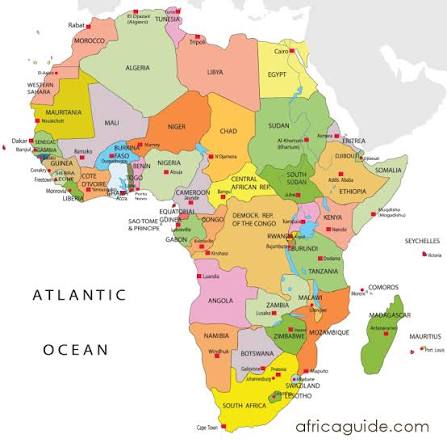
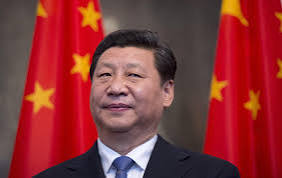
President Xi Jinping announced that from May 1, zero-tariff treatment will apply to all African nations that maintain diplomatic relations with Beijing, with the sole exception of Eswatini, which continues to recognize Taiwan. The decision follows an earlier pledge by China to expand its existing preferential trade regime beyond the 33 African states that already enjoy duty-free access on many goods.
The measure is expected to cover a wide range of products, from agricultural commodities and raw materials to some manufactured goods, potentially lowering costs for African exporters and strengthening their access to the world’s second-largest economy. Analysts say the move could help diversify African economies that have long depended on traditional partners in Europe and North America.
China is already Africa’s largest trading partner, with bilateral trade running into hundreds of billions of dollars annually. The relationship has been anchored by large-scale infrastructure projects, often financed and built by Chinese firms under the Belt and Road Initiative, including railways, ports, power plants and industrial parks across the continent.
By eliminating tariffs for nearly all African partners, Beijing is positioning itself as a champion of South-South cooperation at a time when many African governments are seeking alternatives amid global trade tensions and protectionist measures by Western powers. The policy is also likely to deepen China’s political influence, as economic ties increasingly shape diplomatic alignments.
Eswatini’s exclusion highlights the geopolitical dimension of the decision. It is the only African country that maintains formal diplomatic relations with Taiwan, which Beijing regards as part of its territory and has vowed to bring under its control. China routinely uses trade and investment incentives to encourage countries to switch recognition from Taipei to Beijing.
Xi framed the tariff removal as a development initiative, saying it would open “new opportunities for African development” and support industrialization and job creation across the continent. African leaders and trade officials are expected to study the detailed implementation rules, including product lists and rules-of-origin requirements, to determine how best to capitalize on the new access to the Chinese market.