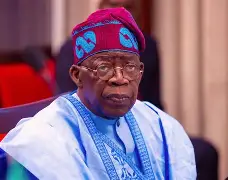
President Bola Ahmed Tinubu is holding a crucial meeting with governors elected on the platform of the All Progressives Congress at the Aso Rock Presidential Villa in Abuja.
The parley, which was initially slated for the Council Chamber, was shifted to the Conference Room of the President’s Office. It eventually commenced about an hour later than scheduled, after 4 p.m., underscoring the fluid nature of consultations within the presidency.
Among the governors in attendance are Babagana Zulum of Borno State, Hope Uzodimma of Imo State, Inuwa Yahaya of Gombe State, Hyacinth Alia of Benue State, Biodun Oyebanji of Ekiti State, Peter Mbah of Enugu State, and AbdulRahman AbdulRazaq of Kwara State, who also chairs the Nigeria Governors’ Forum. Some states are represented by their deputy governors, indicating the breadth of party involvement in the talks.
Although the specific agenda of the meeting has not been formally disclosed, the gathering comes against the backdrop of heightened political and economic pressures, including public discontent over rising living costs, security concerns across several regions, and ongoing debates over fiscal federalism and revenue allocation.
The timing is particularly notable, coming directly after an emergency closed-door session between Tinubu and the extended leadership of the Senate. Following that engagement, Senate Majority Leader Opeyemi Bamidele told journalists that “far-reaching decisions were taken” on “matters of urgent national importance,” decisions he said were prompted by a resolution adopted at an earlier executive session of the upper chamber.
Political observers say the back-to-back meetings with the legislature and APC governors suggest the president is seeking to align key power blocs behind a set of imminent policy moves, possibly involving economic reforms, security strategy, or internal party cohesion ahead of future electoral cycles.
The presence of a broad cross-section of governors, including those from states grappling with insurgency, banditry, and economic distress, further points to a likely focus on coordinated responses to insecurity and the implementation of federal programmes at the subnational level.
As the meeting continues behind closed doors, Nigerians await clarity on the “far-reaching decisions” hinted at by Senate leaders and how any new measures will impact governance, stability, and daily life across the federation.