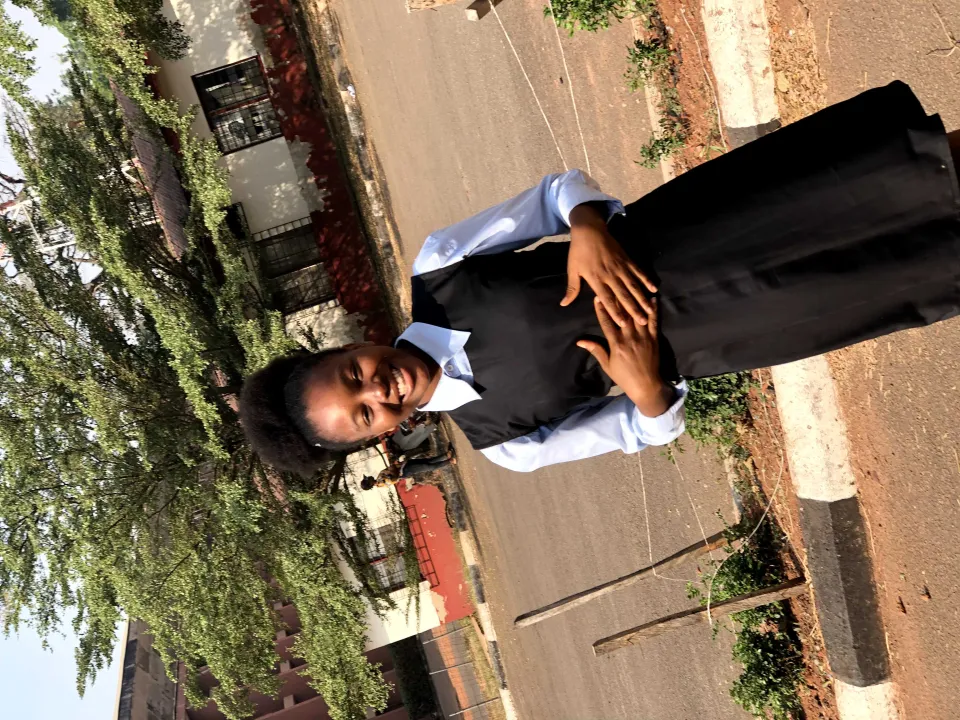
Nigerian comedian I Go Save has urged the Federal Government to suspend enforcement of vehicle roadworthiness in Southern Nigeria, arguing that the region’s collapsing road network makes such checks unfair and unreasonable.
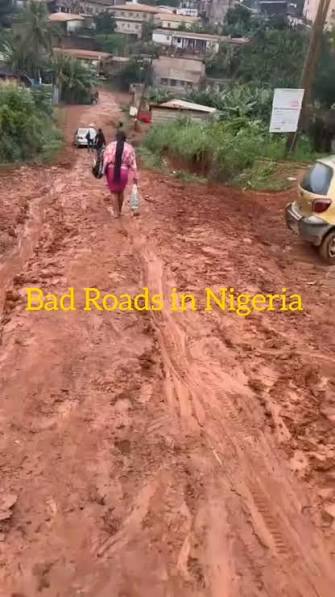
The entertainer, whose real name is Otaghware Onodjeyeke, took to social media to vent his frustration over what he described as “catastrophic” road conditions across many southern states. He questioned why motorists are compelled to keep their vehicles in perfect condition while being forced to drive on roads that are riddled with craters, erosion, and failed portions that rapidly destroy suspensions, tyres, and undercarriages.
According to I Go Save, the current regime of roadworthiness checks and penalties amounts to punishing citizens for damage caused by government neglect. He argued that countless drivers spend huge sums repairing vehicles damaged by potholes and flooded, unpaved stretches, only to be harassed by enforcement officers demanding proof that the same vehicles are “roadworthy.”
The comedian called on the Federal Government to declare a state of emergency on roads in the southern part of the country, insisting that rehabilitation and reconstruction should precede strict enforcement. He maintained that until major federal and state routes are fixed to a basic standard, suspending or significantly relaxing roadworthiness enforcement would be a matter of justice and common sense.
His comments echo long-standing complaints from residents and transport unions in states such as Edo, Delta, Rivers, Bayelsa, Akwa Ibom, Cross River, Abia, Imo, Ondo, and others, where key highways and inner-city roads have deteriorated into deep gullies and broken asphalt. Transporters have repeatedly warned that the poor state of the roads is driving up the cost of spare parts, increasing travel time, and contributing to accidents.
I Go Save’s intervention adds a prominent celebrity voice to the growing public pressure on authorities to prioritize road repairs over aggressive enforcement. He framed the issue as both an economic and safety crisis, stressing that meaningful roadworthiness begins with the roads themselves, not just the vehicles forced to navigate them.