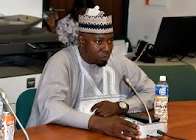
An All Progressives Congress chieftain and petroleum marketer in Kebbi State, Aminullah Mustapha, has warned that former Vice President Atiku Abubakar’s proposal to restore fuel subsidy, if elected president in 2027, would drag Nigeria back into what he described as a corruption-ridden era.
Mustapha, who spoke in Birnin Kebbi, said his years in the downstream oil sector exposed him to the inner workings of the subsidy regime, which he characterised as wasteful, opaque and structurally prone to fraud. According to him, the system enabled powerful interests to siphon public funds under the guise of cushioning fuel prices for ordinary Nigerians.
He alleged that during the subsidy era, billions of naira were lost through inflated and fictitious claims, diversion of petroleum products and payments to companies that never delivered fuel. Funds earmarked for genuine marketers, he said, were routinely channelled to “bogus” operators who collected money for transporting fuel that never reached its intended destinations.
Mustapha further claimed that a significant volume of subsidised fuel was diverted across Nigeria’s borders, particularly to Niger Republic and Benin Republic, where products were sold at higher prices. In effect, he argued, Nigerian taxpayers were underwriting cheaper fuel for neighbouring countries while local consumers endured scarcity and long queues.
He also accused some depot owners of exploiting the system by receiving subsidy payments for imported products that were either delayed or never brought into the country at all. Such practices, he maintained, entrenched a cartel-like structure in the sector and distorted the true cost of fuel.
Mustapha praised President Bola Ahmed Tinubu’s decision to remove fuel subsidy as a difficult but necessary step to halt what he called systemic leakages. He insisted that many political leaders, including Atiku, were fully aware of the corruption embedded in the subsidy framework but were reluctant to confront it publicly for fear of losing political capital.
He urged Nigerians to scrutinise any promise to bring back fuel subsidy, warning that it could reopen avenues for large-scale fraud and mismanagement of public funds. Instead of reviving the old model, Mustapha advocated policies that prioritise domestic refining capacity, transparency in the petroleum value chain, reduced dependence on imports and targeted support for vulnerable households facing rising living costs.