Fake news has become increasingly prevalent in society. From false health tips to misleading technology claims, many people struggle to separate factual information from false narratives circulating online.
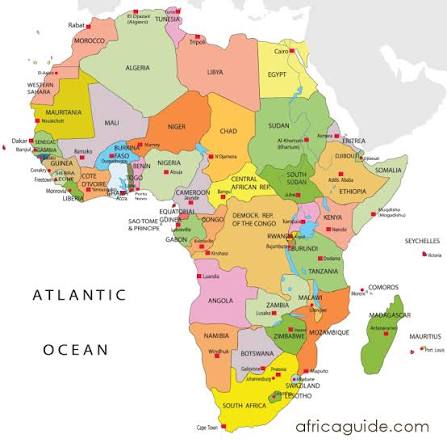
With the rise of the internet and social media, Nigerians are exposed to a constant flow of information daily. Nigeria is one of the countries with the highest rates of social media usage globally, with about 56.6% of internet users relying on platforms such as Facebook, YouTube, Instagram, Twitter (now known as X), Telegram, and TikTok for news and information. According to a report published by the Reuters Institute for the Study of Journalism, about 68% of Nigerians say they trust the media, making it one of the highest trust levels in the world.
However, a major issue lies in how social media platforms operate. Social media algorithms are designed to promote content that generates high engagement, such as likes, shares, and comments. As a result, false science stories that provoke fear, curiosity, or outrage tend to spread faster than accurate and verified reports.
From a psychological perspective, people are more likely to believe information that aligns with their existing beliefs, even when such information lacks scientific evidence. In addition, the use of sensational headlines and yellow journalism to attract attention encourages users to share information without proper verification, further increasing the spread of fake news.
The spread of misinformation can have serious consequences. It may lead people to reject professional medical advice, believe dangerous technology myths, or lose trust in legitimate scientific research and institutions.
To reduce the spread of fake news, individuals can take simple verification steps. These include checking the credibility of the source, reviewing the account’s history and profile, confirming information through official websites or fact-checking platforms, using reverse image searches, watching out for poor grammar or suspicious links, and consulting tools such as Google Fact Check Explorer or Bellingcat. If a story seems too good or too alarming to be true, it likely requires further verification.
In conclusion, science reporting must prioritize accuracy and verification. In today’s digital age, both journalists and audiences share the responsibility of ensuring that false science information does not spread unchecked. Remember,fake news are not trends,they have real world consequences.
13