Renewable Energy: Powering Tomorrow, Today.
By: Adesanya Oluwatofunmi Faith
For many decades, global development has been driven largely by the use of fossil fuels such as coal, oil, and natural gas. These energy sources have supported industrial growth, transportation, and modern living. However, their continued use has resulted in serious environmental challenges, including air and water pollution, climate change, and the gradual depletion of non-renewable resources. In response to these challenges, renewable energy has emerged as a cleaner, more sustainable alternative for meeting the world’s growing energy needs.
Renewable energy refers to energy derived from natural sources that are continuously replenished by natural processes. Major forms of renewable energy include solar, wind, hydropower, biomass, and geothermal energy. Unlike fossil fuels, renewable energy sources are not finite and generally produce minimal greenhouse gas emissions. As a result, they are increasingly regarded as environmentally friendly options capable of supporting long-term sustainable development.
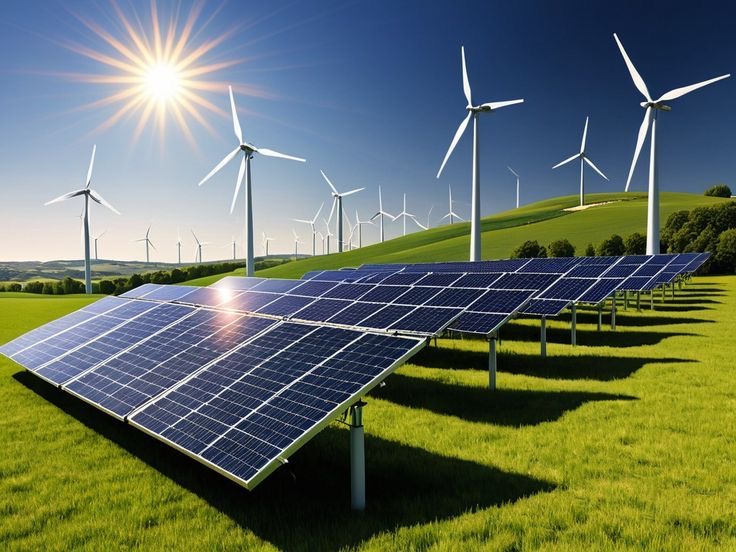
Among the various renewable sources, solar energy holds particular promise, especially in developing regions such as Africa. Due to its geographical location, Africa receives abundant sunlight throughout the year, making solar power a practical and cost-effective solution. Solar panels can generate electricity for households, schools, health centres, and small businesses, including those located in rural areas that are not connected to the national grid. Across many communities, solar energy already powers streetlights, water supply systems, and mobile phone charging points, thereby improving quality of life.
Wind energy also contributes significantly to renewable power generation. By using wind turbines to convert kinetic energy from moving air into electricity, wind power provides a reliable energy source in coastal and open regions with consistent wind patterns. Similarly, hydropower, which harnesses the energy of flowing or falling water, has long been used to generate electricity. Recent advances in small-scale and mini-hydropower systems have reduced environmental damage while increasing access to clean energy.
Beyond environmental benefits, renewable energy plays a crucial role in economic development. The sector creates employment opportunities in manufacturing, installation, maintenance, and research. It also reduces dependence on imported fossil fuels, strengthens energy security, and promotes technological innovation. Most importantly, the widespread adoption of renewable energy contributes to the reduction of carbon emissions and helps mitigate the effects of climate change.
In conclusion, renewable energy is no longer merely a concept for the future; it is an essential component of the present global energy system. As technological advancements continue to lower costs and improve efficiency, investing in renewable energy represents a strategic commitment to a cleaner environment, sustainable development, and a healthier world for future generations.