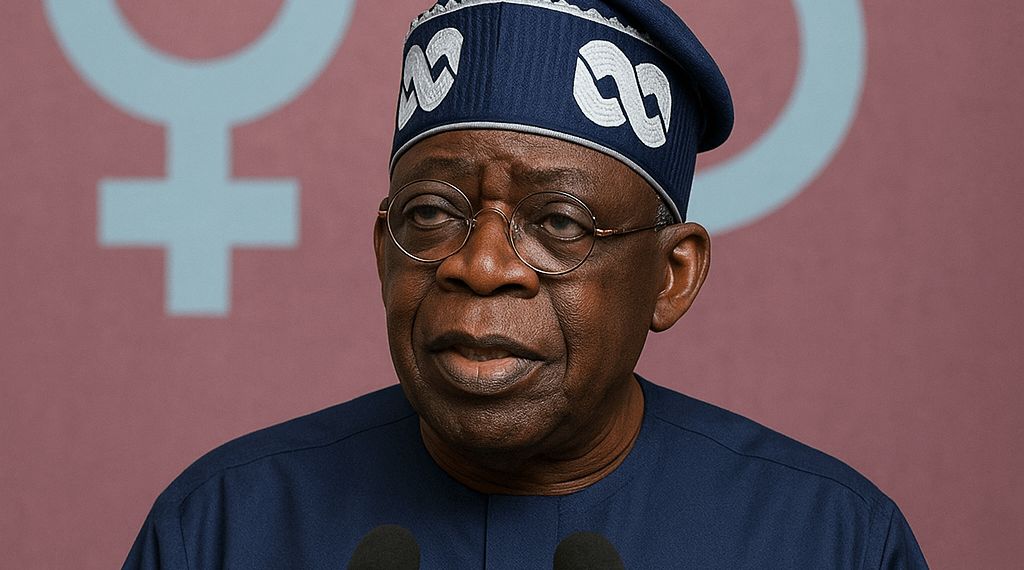
President Bola Tinubu has declared a security emergency, unleashing an ambitious overhaul of the nation’s security forces. This bold move comes in the wake of an alarming increase in abductions, particularly in the northern and central regions,an urgent wake-up call the government can no longer ignore.
In a theatrical display of resolve, President Tinubu has announced the recruitment of an additional 20,000 security personnel to combat the crisis, which adds to the already approved 30,000. “The police will recruit an additional 20,000 officers, bringing the total to 50,000,” Tinubu proclaimed, portraying himself as a decisive leader. “My fellow Nigerians, this is a national emergency, and we are responding by deploying more boots on the ground, especially in security-challenged areas,” he emphasized, seemingly hoping to quell mounting public outrage.
In a controversial shift of priorities, Tinubu has ordered the withdrawal of police officers currently assigned to protect public figures and celebrities, redirecting their deployment to insecure regions. Reports suggest that nearly 100,000 officers are tied up guarding politicians and VIPs, a practice that has attracted scathing criticism as insecurity continues to plague everyday Nigerians.
Additionally, the President's directive extends to forest rangers, giving them the power to launch offensive operations against armed groups hiding in Nigeria’s dense forests. These so-called bandits have terrorized communities for over a decade, carrying out violent attacks and kidnappings for ransom, leaving citizens living in constant fear.
The urgency of this crisis has been starkly illustrated by the shocking abduction of 303 children from the remote community of Papiri. This high-profile incident, part of a distressingly familiar pattern, underscores the ongoing threat posed by armed groups. Thankfully, fifty of the abducted students managed to escape, but this incident has only intensified fears among parents and communities.
The surge in mass abductions has captured international attention, especially as the Trump administration calls on Nigeria to address what it characterizes as the persecution of Christians,an allegation the Nigerian government has vehemently denied. Remarkably, while such abductions had seen a decline over the last two years, the recent wave has sparked serious doubts about the effectiveness of current security measures.
As Nigeria faces this multifaceted security crisis, the government's fervent promises to reinforce its security apparatus will be under intense scrutiny. The success or failure of these measures will ultimately determine whether public confidence can be restored in a nation beleaguered by violence and insecurity,or if this is merely a performative act to appease an anxious populace.