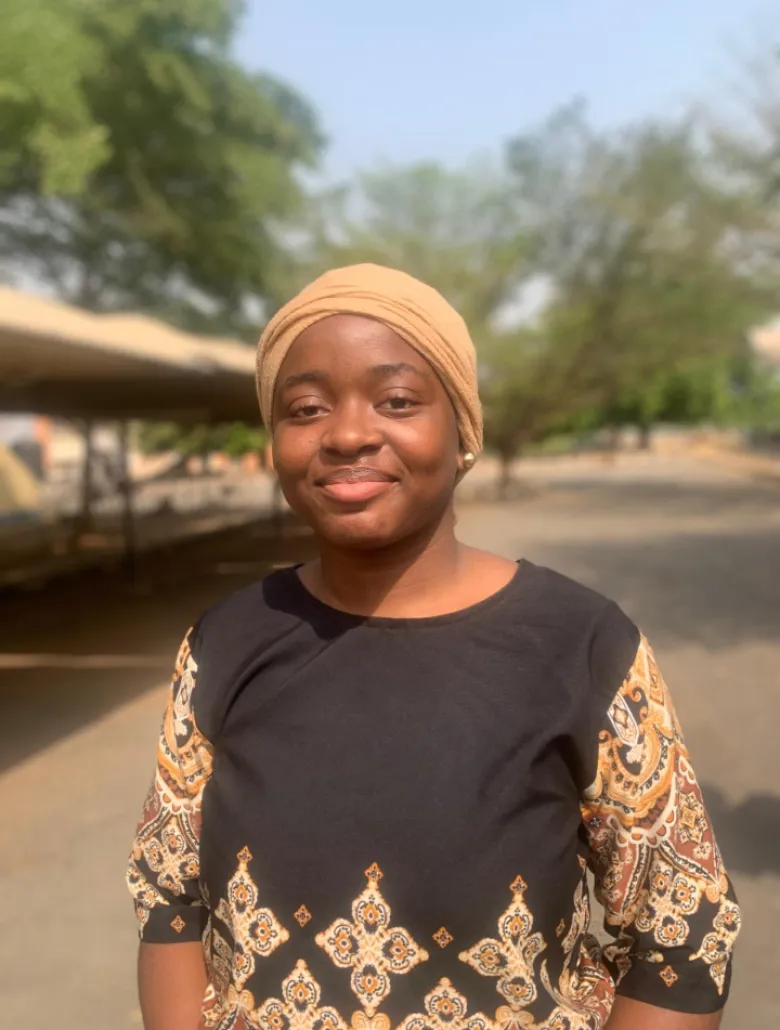
Nadia paused at the threshold of her childhood home, the heavy scent of burning incense mingling with the quiet tension of expectation. In the fading light, a circle of elders gathered outside, their stern faces reflecting a legacy of unyielding tradition. Tonight, that legacy was about to be challenged.
At thirteen, Nadia had learned the painful truth behind the “ceremony.” One hushed evening, her mother’s trembling voice revealed that the ritual—an act of female genital mutilation—was no honor but a violation. That night, Nadia had run away, seeking refuge with Ms. Amina, a compassionate teacher who had shown her a life beyond fear and silence. Education had ignited her spirit, and now, with newfound strength, Nadia returned not as a victim but as an advocate for change.
In the village square, as murmurs of disapproval swirled, Nadia’s voice cut through the clamor. “This isn’t honor—it’s cruelty. Our daughters deserve protection, not pain,” she declared. The elders exchanged uneasy glances. Among them, Mr. Kamau—a retired teacher with sorrow-lined eyes—shifted uncomfortably. Once a firm believer in tradition, he now recalled whispers of dissent from his own youth. Nearby, Mrs. Nyambura, a mother whose quiet tears had hidden a lifetime of regret, listened with bated breath.
Later that evening, Nadia discovered a note nailed to her door: “Leave before it’s too late.” The threat sent a chill down her spine, but instead of yielding, she gathered her small band of allies. In the modest back room of a neighbor’s house, voices long silenced finally spoke up. Mr. Kamau admitted softly, “I once questioned these rites, but fear held me back. Today, I stand with you.” Mrs. Nyambura added, “I lost my daughter to this cruelty. We must change our future.”
Their secret meetings grew bolder and more frequent. The turning point came on a rain-soaked afternoon when a twelve-year-old girl was rushed to Dr. Mwangi’s clinic after a disastrous cutting. The doctor’s gentle but firm report of the child’s agony shattered the community’s complacency. Public outcry swelled, and even the most devout elders could no longer ignore the mounting evidence of harm.
At the next village assembly, under a sky washed with the promise of dawn, Nadia stood before her people once more. “Our traditions should nurture, not wound. I ask you to reimagine our culture—one that embraces care and compassion.” Her words, simple yet unwavering, resonated in the silence that followed.
In the months that followed, change began to unfurl quietly but steadily. Families reconsidered their choices. Mr. Kamau organized small gatherings to discuss alternative rites of passage, while Mrs. Nyambura led mothers in protecting their daughters with new, hopeful practices. Nadia, tireless and determined, became the voice that bridged old wounds and new beginnings.
Standing at the same threshold where her journey had begun, Nadia felt the soft murmur of a changed community. Though scars remained, they were now marks of courage and transformation. In that moment, as the first rays of morning light bathed the village, Nadia knew that by breaking the silence, she had kindled a flame of hope that would guide them all toward a gentler future.