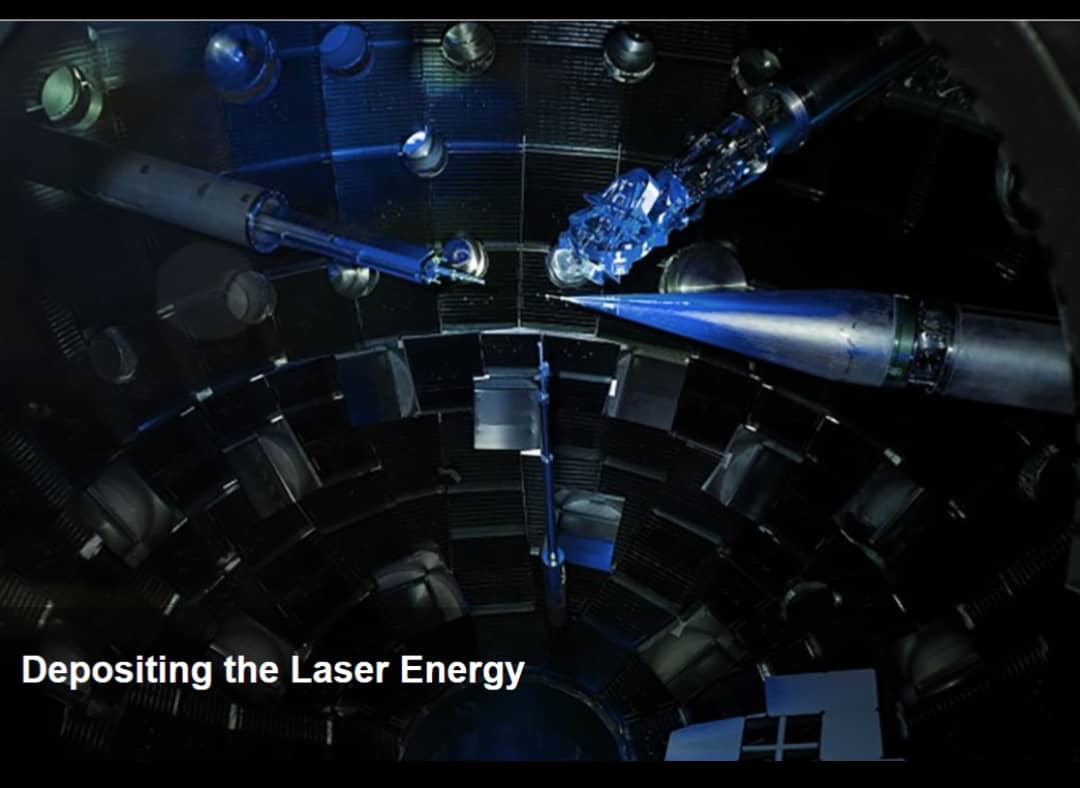
Nuclear Fusion is one of the most promising developments in modern science and technology. It is a process in which two light atomic nuclei combine to form a heavier nucleus, releasing a very large amount of energy. This reaction naturally occurs in the Sun and other stars, where extremely high temperature and pressure allow hydrogen atoms to fuse together to form helium.
Scientists have been studying nuclear fusion for many years because it could provide a clean, safe, and nearly unlimited source of energy for the world. Unlike fossil fuels such as coal and oil, fusion does not produce harmful greenhouse gases that contribute to climate change. The fuel used for fusion—mainly forms of hydrogen like deuterium—can be obtained from water, making it widely available.
How Nuclear Fusion Works
In a fusion reaction, light atoms such as hydrogen isotopes are heated to extremely high temperatures—millions of degrees Celsius. At this temperature, the atoms become a state of matter known as plasma. When the nuclei of these atoms collide with enough force, they combine to form a heavier nucleus and release a tremendous amount of energy.
This process is similar to the reaction that powers the Sun. Scientists attempt to recreate these conditions in laboratories using advanced technologies such as powerful lasers or magnetic confinement devices.