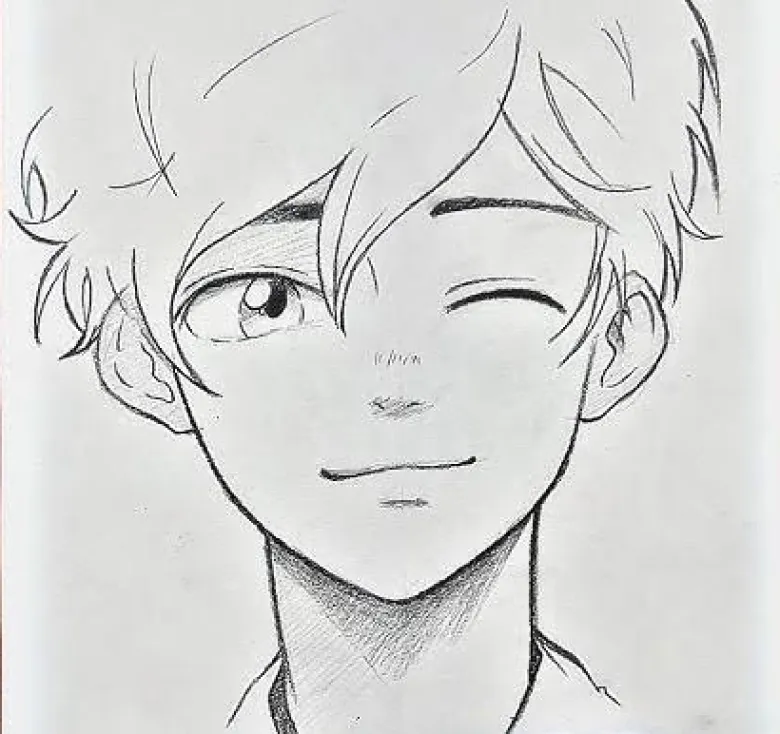
Noah had always found solace in music. As a child, he would sit by his father, who played the guitar on their porch every evening. The melodies seemed to chase away life’s worries, filling their small home with peace. Noah’s love for music grew into a passion, and by the time he was in his twenties, he was a talented pianist, composing songs that resonated with raw emotion.
But life took a cruel turn when an accident left Noah with injuries that made playing the piano painful and nearly impossible. The notes that once flowed effortlessly now felt like distant memories. Depression crept in, and for months, Noah avoided his piano, the instrument that had been his closest companion.
One day, while walking through the park, Noah heard a faint melody. A street performer was playing a battered violin, her eyes closed as she poured her soul into the music. The tune tugged at Noah’s heart, reminding him of what he had lost—but also of what he still had.
Inspired, Noah decided to find a way back to music. He couldn’t play the piano as he once did, but his hands still worked well enough to write. He began composing again, not for himself but for others. He wrote songs for local musicians, children’s choirs, and even a nearby community theater. His compositions became a voice for his emotions, a way to heal and connect.
One day, Noah learned about a rehabilitation center for trauma survivors in his city. Many of the patients were struggling with emotional scars, and the staff were looking for ways to bring light into their lives. Noah offered to help. He brought his keyboard, simple enough for him to play, and started holding weekly music sessions.
At first, the patients were hesitant. Some had never sung or played an instrument before. But Noah’s gentle encouragement and heartfelt melodies created a safe space. Slowly, the room began to fill with music—imperfect, raw, and deeply healing.
One patient, a young woman named Clara, was particularly moved. She had been silent for months after surviving a tragic accident. During one session, she picked up a tambourine and began to play along with Noah’s piano. By the end of the session, she was singing softly. The entire room went quiet, awed by the power of her voice.
That moment changed everything for Noah. He realized that music wasn’t just about performance; it was about connection, healing, and hope. He expanded his sessions, partnering with schools, shelters, and nursing homes to bring music to those in need.
Noah’s efforts didn’t go unnoticed. His compositions gained recognition, and his program, *Healing Notes*, grew into a nonprofit organization. He raised funds to provide instruments and lessons for underprivileged children, ensuring that music could reach those who needed it most.
Today, Noah plays his piano again, not with the same speed or precision as before, but with a depth of feeling that moves everyone who hears it. His journey reminds others that even when life changes the melody, you can still find harmony.
As Noah often says, “Music doesn’t just heal—it transforms. Even the smallest note can carry the biggest hope.”