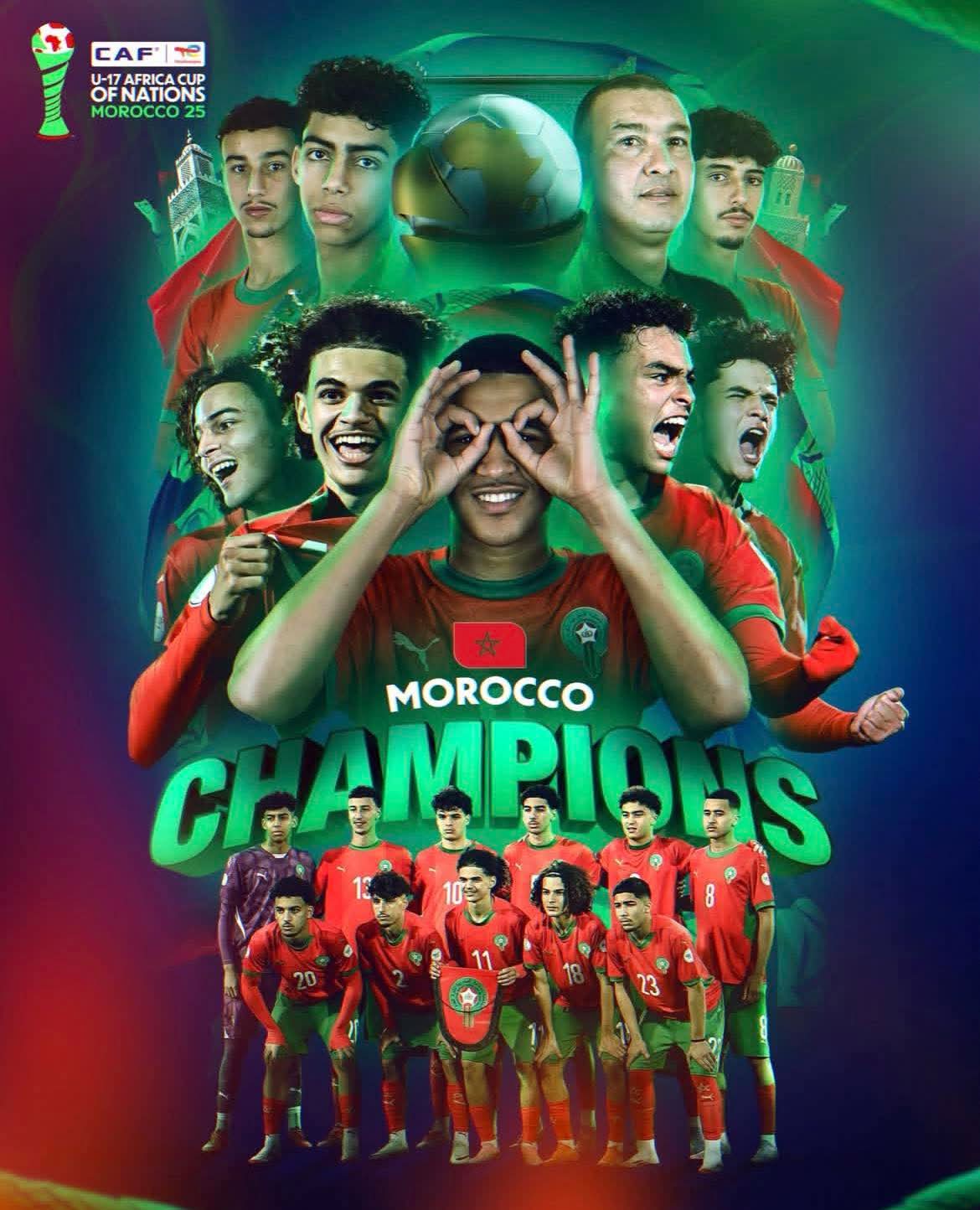
Across Africa and beyond, people are still arguing about what actually happened in that AFCON final and what should count as the truth. On paper, Morocco are now champions after CAF overturned Senegal’s extra-time win. In people’s minds, though, the story is far from settled.
For many, the decision feels like an insult to football itself. They watched Senegal survive the chaos, the missed penalty, the extra time, and then lift the trophy. To see that moment erased weeks later is, in their view, nothing short of a robbery. They call it rewriting history, a trophy stolen in a boardroom after it was earned on the pitch.
Others insist the rule is the rule. Senegal walked off, they say, and that is abandonment. CAF’s regulations are clear, and if a team leaves the field for that long, the consequence is forfeiture. From this angle, the 3-0 default win for Morocco is not a scandal but a delayed correction. The outrage, they argue, should be directed at Senegal’s decision to protest in that way, not at CAF for enforcing its own laws.
There is also a quieter group that simply shrugs. For them, football is full of controversies, and this is just another one. The ball crossed the line, or it didn’t. The penalty was soft, or it wasn’t. Now a final is overturned. They see it as noise that will fade before the next tournament kicks off. The record books say Morocco, the memories say Senegal, and life goes on.
On social media, the divide is sharp. Senegal supporters flood timelines with clips of the match, the missed Panenka, the extra-time goal, and the celebrations. They repeat the same message: everyone saw what happened, and no ruling can change that. Sadio Mané’s statement that the world knows the true champions has become a slogan, a way of refusing to accept the official version.
Moroccan fans counter with screenshots of the regulations and timelines of the 15-minute walk-off. They argue that if Senegal had been allowed to ignore the rules without consequence, it would set a dangerous precedent. In their view, Morocco are not paper champions but rightful winners who benefited from a rule that any team could have read before the tournament began.
Some observers focus on the grey areas. Not every Senegal player actually left the pitch. A few, including Mané, stayed near the touchline. Was that really abandonment, or a chaotic protest that never fully crossed the line? People question why CAF waited so long to act if the rule was so clear. The delay fuels suspicion: if it was obvious, why did it need an appeal board and weeks of debate?
Among neutrals, there is a mix of admiration and frustration. Admiration for Senegal’s resilience in the original match, for Morocco’s ability to host and compete under pressure, and for the sheer drama of the final. Frustration that the biggest African football event has ended in legal arguments instead of sporting closure.
Some fans see deeper patterns. They talk about governance, transparency, and trust in African football. To them, this is not just about Senegal and Morocco but about how decisions are made, who benefits, and why clarity only seems to arrive after confusion and controversy.
Others refuse to go that far. They see no conspiracy, only a strict reading of a badly timed rule. In their eyes, Senegal made a costly mistake, CAF applied the book, and the rest is emotional reaction. They accept Morocco as champions and move on.
In the end, two parallel truths now exist. The official one, stamped by CAF, where Morocco are AFCON champions by a 3-0 default. And the lived one, held by millions of viewers who watched Senegal win on the pitch and still feel that result in their bones. Between admiration for what was played, outrage at what was decided, and apathy from those already looking to the next tournament, the public remains split on a simple question with no simple answer: who really won AFCON?