Name: Vincent Happiness Ojima
Matric number: 230902053
Agriculture has always been an important part of human survival, providing food, raw materials, and employment for millions of people. In Nigeria, agriculture remains a major sector of the economy, employing a large percentage of the population. However, traditional farming methods are often affected by challenges such as low productivity, climate change, pests, and poor access to information. Modern technology is gradually transforming agriculture by making farming more efficient, sustainable, and profitable.
One important role of technology in modern agriculture is improved farming techniques. Farmers now use machines such as tractors, planters, and harvesters to reduce manual labour and increase productivity. Mechanised farming allows farmers to cultivate larger areas of land within a shorter time, leading to increased food production. This is especially important in meeting the food demands of a growing population.
Technology has also improved crop and soil management. Through the use of soil testing tools and digital applications, farmers can determine the nutrient content of their soil and apply the right type and quantity of fertiliser. This prevents overuse of chemicals, reduces costs, and improves crop yield. In addition, irrigation technologies such as drip and sprinkler systems help farmers manage water efficiently, particularly in areas affected by irregular rainfall.
Another major contribution of technology to agriculture is access to information. Mobile phones and internet-based platforms provide farmers with timely information on weather forecasts, market prices, pest control, and best farming practices. With this information, farmers can make better decisions about planting, harvesting, and selling their produce. In Nigeria, agricultural extension services are increasingly using digital platforms to reach more farmers, especially in rural communities.
Modern technology also plays a role in pest and disease control. Farmers now use improved pesticides, disease-resistant crop varieties, and early-warning systems to protect their crops. Some technologies help detect pest outbreaks early, allowing farmers to take preventive measures before significant damage occurs. This reduces crop losses and improves food security.
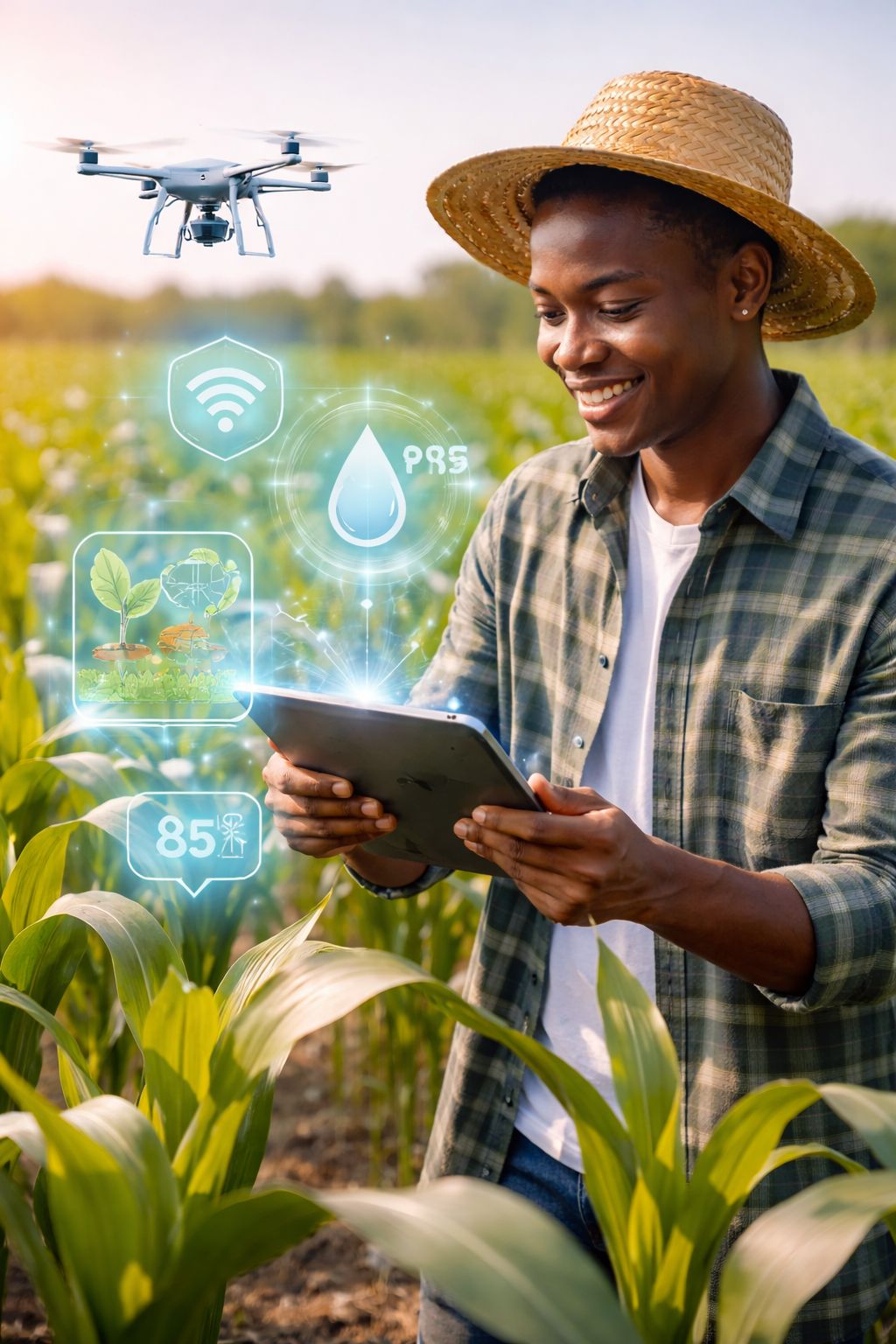
In recent years, precision agriculture has gained attention. Precision agriculture involves the use of technology such as GPS, sensors, and data analysis to monitor farming activities accurately. These tools help farmers apply resources such as water, fertiliser, and pesticides only where needed. Although this technology is more common in developed countries, it has the potential to improve efficiency and reduce waste in Nigerian agriculture if properly adopted.
Despite these benefits, the use of technology in agriculture faces challenges. High cost of equipment, limited access to electricity, and lack of technical knowledge among farmers can slow adoption. Small-scale farmers, who form the majority in Nigeria, may find it difficult to afford advanced technologies. There is also the issue of inadequate training and support.
In conclusion, technology plays a vital role in modern agriculture by improving productivity, efficiency, and sustainability. Through mechanisation, access to information, improved crop management, and precision farming, technology helps address many challenges faced by farmers. To fully benefit from these innovations, there is a need for increased investment, farmer education, and supportive government policies. Embracing technology in agriculture can contribute significantly to food security and economic growth in Nigeria.