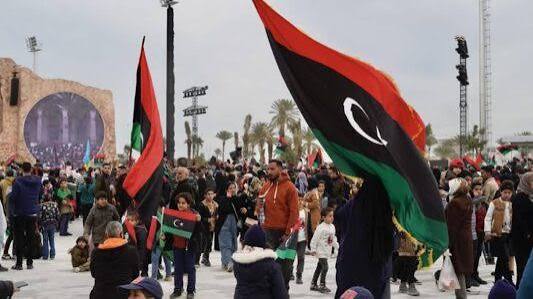
Pakistan is quietly emerging as an unexpected mediator in efforts to reunify Libya’s fractured political landscape, according to accounts from diplomats and officials familiar with the talks.
Libya has remained deeply divided since the overthrow of Moammar Gadhafi, with rival administrations entrenched in the country’s east and west. In Tripoli, Abdulhamid Dbeibah heads the internationally recognised Government of National Unity, while in the east, forces aligned with military commander Khalifa Haftar back a parallel Government of National Stability.
Against this backdrop, both Libyan camps are understood to have approached Islamabad late last year, asking Pakistan to help broker a political settlement. Pakistan, which maintains relations with a wide range of Middle Eastern and North African actors, is seen by some regional powers as a relatively neutral player with no colonial baggage in Libya and limited direct economic stakes.
The emerging proposal centres on a 36‑month transitional power-sharing arrangement designed to end the institutional split that has paralysed governance and fuelled corruption and militia rivalries. Under the draft plan, Dbeibah would remain prime minister, providing continuity for international partners and financial institutions that currently deal with his government.
In a significant concession to the eastern camp, Haftar’s son, Saddam Haftar, would chair a new presidential council intended to symbolise national leadership and offer guarantees to Haftar’s military and political network. The council would be tasked with steering preparations for eventual national elections and overseeing key security and constitutional reforms.
The blueprint also envisages granting Haftar’s faction substantial budgetary authority, reflecting its de facto control over many of Libya’s most important oilfields and export terminals. Supporters argue that formally recognising this leverage could help stabilise oil production and reduce the risk of disruptive blockades that have repeatedly hit global energy markets.
Diplomatic sources say the initiative has drawn cautious backing from the United States, Saudi Arabia, Qatar and Turkey, all of which have previously supported different Libyan actors. Their tentative alignment behind a single framework is seen as one of the most promising signs that a negotiated reunification might be achievable after years of failed peace conferences and short-lived ceasefires.
Yet the plan faces formidable obstacles, including mistrust between rival armed groups, fears of entrenching warlord influence and uncertainty over how quickly credible elections could follow any transitional deal. For now, Pakistan’s role remains largely behind the scenes, as negotiators test whether Libya’s factions are ready to trade battlefield gains for a fragile but unified state.