Félicien Kabuga’s life traced a stark arc from self-made tycoon to one of the world’s most wanted fugitives, accused of bankrolling the 1994 genocide against the Tutsi in Rwanda.
Born in Byumba prefecture in northern Rwanda, Kabuga began with little. He worked as a small-scale trader, selling cigarettes, textiles, and second-hand clothes in rural markets. Those early ventures laid the foundations of a fortune that would eventually place him among the country’s wealthiest businessmen.
Relocating to Kigali, Kabuga expanded aggressively. He invested in shops, transport, milling, tea plantations, and property, embedding himself in the commercial and political elite. By the early 1990s, he was not only rich but well connected, moving in circles close to the ruling party and senior officials.
According to international prosecutors, those connections became deadly as Rwanda slid toward mass violence. Kabuga was accused of using his wealth and influence to help create and finance Radio Télévision Libre des Mille Collines, the station that pumped out anti-Tutsi propaganda and chilling calls to exterminate supposed enemies. He was also alleged to have imported and distributed vast quantities of machetes and other weapons to militias and local authorities, enabling the slaughter that followed.
The indictment issued by the International Criminal Tribunal for Rwanda charged him with genocide, complicity in genocide, and crimes against humanity. Prosecutors portrayed him as a central figure in the machinery that prepared, armed, and incited the killings that left hundreds of thousands of Tutsi and moderate Hutu dead in just 100 days.
Kabuga rejected those accusations. His defence maintained he was a businessman, not a mastermind, insisting his role at the radio station was financial and limited, and that he had been turned into a symbol rather than judged on evidence.
For more than two decades, Kabuga eluded capture. He is believed to have moved between several African and European countries, living under assumed names and relying on loyal networks. The United States posted a multimillion-dollar reward for information leading to his arrest, underscoring his status as one of the most sought-after fugitives from international justice.
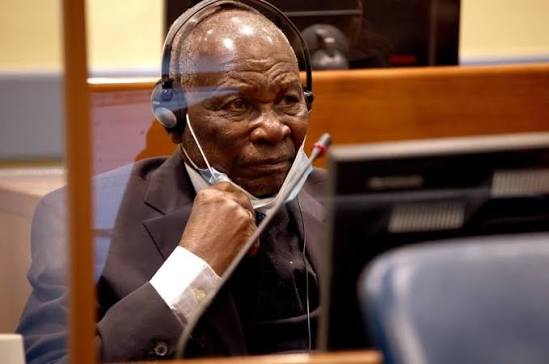
His eventual arrest in France and transfer to a UN-backed tribunal in The Hague raised hopes that a landmark trial would clarify his role. Instead, judges later ruled him unfit to stand trial, and he died in custody without a verdict. His case now sits at the uneasy intersection of memory, law, and history: a man accused of financing genocide, never legally convicted, and still fiercely contested in the narratives of Rwanda’s past.