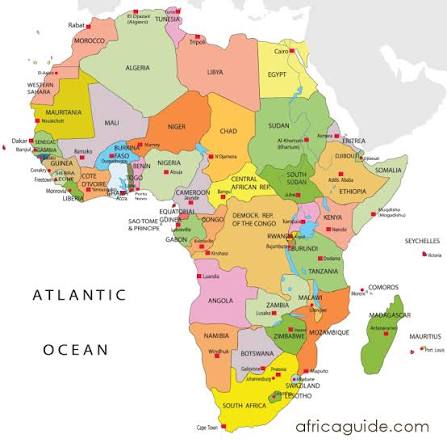
US authorities are preparing to deport nearly two dozen migrants, including at least two Iranian women who say they fled persecution, to the Central African Republic under a little-known third-country agreement, according to people familiar with the plans.
The group is expected to include migrants from Iran, Afghanistan and Syria who had sought refuge in the United States but became entangled in the country’s tightening immigration and asylum system. Lawyers say several of them, including the two Iranian women, have already obtained court orders blocking their return to their home countries because of the risk of torture, imprisonment or other serious harm.
To get around those protections, officials are turning to a deal with the Central African Republic that allows Washington to send so-called third-country deportees to the conflict-scarred nation, even when they have no prior connection there. Rights advocates say the arrangement exploits a legal grey area and undermines the spirit of US and international refugee law.
The Central African Republic has endured years of armed conflict, mass displacement and widespread human rights abuses. Large parts of the country remain under the control of armed groups, and humanitarian agencies describe a fragile security situation and a devastated health and social infrastructure. The US government itself warns its citizens against any travel there, citing crime, kidnapping and ongoing violence.
One of the Iranian women facing removal is a Christian convert, according to her attorney, while the other is described as a pro-democracy activist who took part in opposition activities before fleeing Iran. Both fear that if they are eventually repatriated from the Central African Republic to Iran, they could face imprisonment, torture or even execution.
US officials have defended the third-country transfers as lawful and consistent with immigration statutes, arguing that the deportees will be housed in apartments in the Central African Republic’s capital, Bangui, and will not be immediately repatriated to their countries of origin. But lawyers and advocacy groups question how long such assurances will hold in a state struggling to provide basic security for its own citizens.
People briefed on the agreement say hundreds of migrants could ultimately be sent to the Central African Republic under the deal, raising fears that the country could become a dumping ground for asylum seekers whom US courts have ruled cannot safely be returned home.