Science, Medicine, and the Responsibility of Knowledge
By Ekuma Emmanuel Ikechukwu
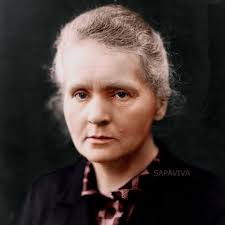
Medicine advances when science meets responsibility. Throughout history, scientists have transformed healthcare not only through discovery but through disciplined application of knowledge. One such figure is Marie Curie, whose pioneering research on radioactivity reshaped medical diagnosis and cancer treatment, despite the risks she personally faced.
Today, her legacy is reflected in modern medical imaging, radiotherapy, and laboratory research. Across the world, science continues to improve patient care through precision diagnostics, improved pharmaceuticals, and data-driven decision-making. Technologies such as artificial intelligence now assist clinicians in analyzing complex medical data, while biotechnology enables targeted treatments that were unimaginable a generation ago.
Recent global health challenges have further highlighted the importance of scientific preparedness. Rapid vaccine development, advanced testing methods, and international research collaboration demonstrate how science protects societies when guided by ethical purpose.
For students and lecturers, medicine is no longer just about learning established facts, but about understanding evolving systems shaped by science. Each discovery carries responsibility — to apply knowledge wisely, protect human dignity, and expand access to care. In this balance between innovation and ethics, science continues to define the future of medicine.