Venezuela has begun releasing a large number of political prisoners, including several foreign nationals, in a sweeping move that is reshaping the country’s political landscape and drawing rare public praise from United States President Donald Trump.
The releases follow the ouster of longtime ruler Nicolás Maduro in a US-backed operation and the installation of his former deputy, Delcy Rodríguez, as interim leader in Caracas. Washington has signaled it is prepared to tolerate Rodríguez’s rule so long as she cooperates on key US priorities, especially access to Venezuela’s vast oil reserves.
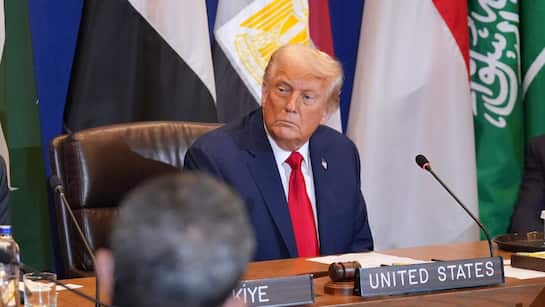
Trump, who has framed his Venezuela policy as a mix of military pressure and economic leverage, hailed the prisoner releases as a breakthrough. In a social media post, he described the move as a sign of “Seeking Peace” and called it “a very important and smart gesture,” adding that the United States and Venezuela were “working well together.” He also said he had cancelled a second wave of planned strikes on Venezuelan targets in light of what he called growing “cooperation” from Rodríguez’s government.
Among the most prominent figures freed was former opposition presidential candidate Enrique Márquez, who had challenged Maduro in the bitterly disputed 2024 election. Márquez appeared in a video recorded by a local journalist, standing alongside his wife and fellow opposition figure Biagio Pilieri. Smiling but visibly exhausted, he declared, “It’s all over now,” a phrase that many Venezuelans interpreted as both a personal relief and a political turning point.
The White House quickly claimed credit for the releases. Deputy Press Secretary Anna Kelly said the episode showed how Trump was using “maximum leverage” to secure concessions from Caracas, presenting the freed detainees as evidence that Washington’s hard line was paying off for both Americans and Venezuelans.
The prisoner releases come against the backdrop of a broader US campaign against drug cartels and what Trump has long portrayed as “narco-regimes” in Latin America. In a televised interview, he vowed to expand US military operations from the sea to the mainland, saying Washington would begin striking cartel targets on land. US forces have already destroyed dozens of vessels in the Eastern Pacific and Caribbean in recent months, operations that have left more than a hundred people dead, according to US and regional sources.
Inside Venezuela, Rodríguez’s government has framed the prisoner releases as a gesture of national reconciliation. Her brother, Jorge Rodríguez, the powerful speaker of parliament, announced that “a large number of Venezuelan and foreign nationals” were being freed in the name of “peaceful coexistence.” He declined to specify how many detainees were being released or from which facilities, leaving families and rights groups scrambling for information.
Opposition leader María Corina Machado, long one of Maduro’s fiercest critics, cautiously welcomed the move. In an audio message posted on social media, she said, “Injustice will not last forever and… truth, although it be wounded, ends up finding its way.” Her words captured the mix of relief and skepticism among activists who have seen previous, more limited amnesties reversed or undermined.
Trump, for his part, has sought to cast himself as a peacemaker in the post-Maduro transition. He has said he plans to meet soon with a Nobel Peace Prize laureate involved in mediation efforts, underscoring Washington’s desire to present the Venezuelan operation as both a security measure and a humanitarian intervention.
One of the most closely watched cases in the latest wave of releases was that of Rocío San Miguel, a prominent Spanish-Venezuelan human rights activist. Spain’s foreign ministry confirmed that she was among five Spanish citizens freed. San Miguel had been jailed since early 2024 over an alleged plot to assassinate Maduro, charges she and international rights organizations denounced as fabricated.
Outside El Helicoide, the notorious Caracas detention center run by Venezuelan intelligence services, security forces tightened their cordon as rumors of imminent releases spread. Families of detainees gathered anxiously at the gates, clutching photos and documents, hoping to hear their relatives’ names. “I’m nervous. Please God let it be real,” said the mother of a detained activist from Machado’s party, echoing the fragile hope of many who have waited years for news.
Trump has claimed that Rodríguez’s administration agreed to close at least one “torture chamber” in Caracas, a remark widely interpreted as a reference to El Helicoide. Venezuelan rights group Foro Penal estimates that more than 800 political prisoners have been held across the country’s jails, a figure that underscores the scale of repression under Maduro and the stakes of any genuine amnesty.
Maduro’s downfall came in a dramatic special forces raid backed by US airstrikes, an operation that Caracas says left around 100 people dead. The former president and his wife, Cilia Flores, were flown to New York to face drug trafficking charges in US courts, cementing Washington’s narrative of a “narco-dictator” brought to justice.