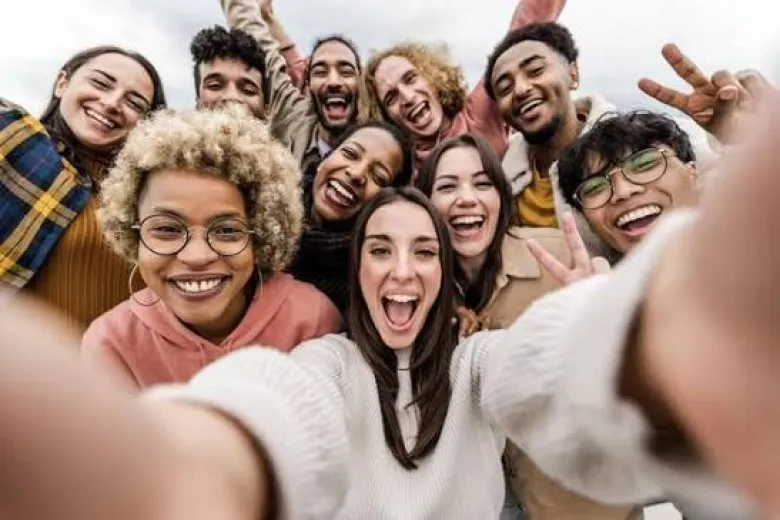
The Impact of Social Media on Youth Development in Nigeria
Introduction
Social media has become one of the most powerful means of communication in the modern world. Platforms such as Facebook, Instagram, X (formerly Twitter), TikTok, WhatsApp, and YouTube have transformed the way people interact, share information, and conduct business. In Nigeria, millions of young people use social media every day for education, entertainment, business, and social interaction. While these platforms have created numerous opportunities, they have also introduced several challenges that affect the development of young people.
Youth development refers to the physical, social, emotional, educational, and economic growth of young people. Social media plays a significant role in shaping these areas. Understanding both the positive and negative effects of social media is important for individuals, parents, educators, and policymakers.
Positive Effects of Social Media
One of the greatest benefits of social media is easy access to information. Students can use online platforms to research assignments, watch educational videos, attend virtual classes, and connect with experts from different parts of the world. Educational content shared by universities, lecturers, and professionals helps students improve their academic performance.
Social media also creates employment opportunities. Many Nigerian youths earn income as content creators, influencers, digital marketers, photographers, bloggers, and online business owners. Platforms like TikTok, YouTube, and Instagram have helped many young entrepreneurs promote their products and services to a wider audience.
Another advantage is communication. Social media allows families and friends to stay connected regardless of distance. It also enables students to participate in academic discussions, join study groups, and collaborate on projects.

Students working on group projects
Furthermore, social media gives young people a voice. It provides a platform for expressing opinions, raising awareness about social issues, promoting community development, and participating in national conversations.
Negative Effects of Social Media
Despite its many benefits, excessive use of social media has several disadvantages. One major challenge is addiction. Many students spend several hours scrolling through social media instead of studying, resulting in poor academic performance and reduced productivity.
Cyberbullying is another growing concern. Some users experience online harassment, insults, threats, and false accusations. Such experiences can affect a person's confidence, emotional well-being, and mental health.
The spread of fake news and misinformation is also a serious issue. False information shared on social media can create panic, damage reputations, and mislead the public. Journalists and media practitioners therefore have the responsibility of verifying information before publication.
Privacy and security risks cannot be ignored. Sharing too much personal information online exposes users to fraud, identity theft, scams, and cybercrime. Young people should always be careful about the information they post online.
The Role of Mass Communication
Mass communication professionals play an important role in ensuring that information shared on social media is accurate, balanced, and ethical. Journalists are expected to verify facts, protect their sources, and report responsibly. They also educate the public on media literacy, helping citizens distinguish between credible information and fake news.
Mass communication students should develop strong writing, interviewing, editing, and digital communication skills. These skills enable them to produce quality content that informs, educates, and entertains society while maintaining professional ethics.
How Young People Can Use Social Media Responsibly
Young people should manage their screen time and balance social media use with education, family life, and personal development. They should verify information before sharing it and avoid spreading rumours or misleading content.

Respect for others is equally important. Users should communicate politely, avoid cyberbullying, and report harmful content when necessary. Privacy settings should be used effectively, and personal information should never be shared carelessly.
Students can also use social media positively by learning new skills such as graphic design, programming, video editing, photography, public speaking, and digital marketing. These skills can improve employability and encourage entrepreneurship.
Conclusion
Social media has become an essential part of modern life and has greatly influenced youth development in Nigeria. It offers valuable opportunities for education, communication, business, and self-expression. However, misuse of these platforms can result in addiction, misinformation, cyberbullying, and security challenges.
The future depends on how responsibly young people use these technologies. With proper guidance, digital literacy, ethical journalism, and responsible online behaviour, social media can continue to serve as a powerful tool for national development and youth empowerment. As future mass communication professionals, students have a duty to promote truthful, balanced, and responsible communication that benefits society.