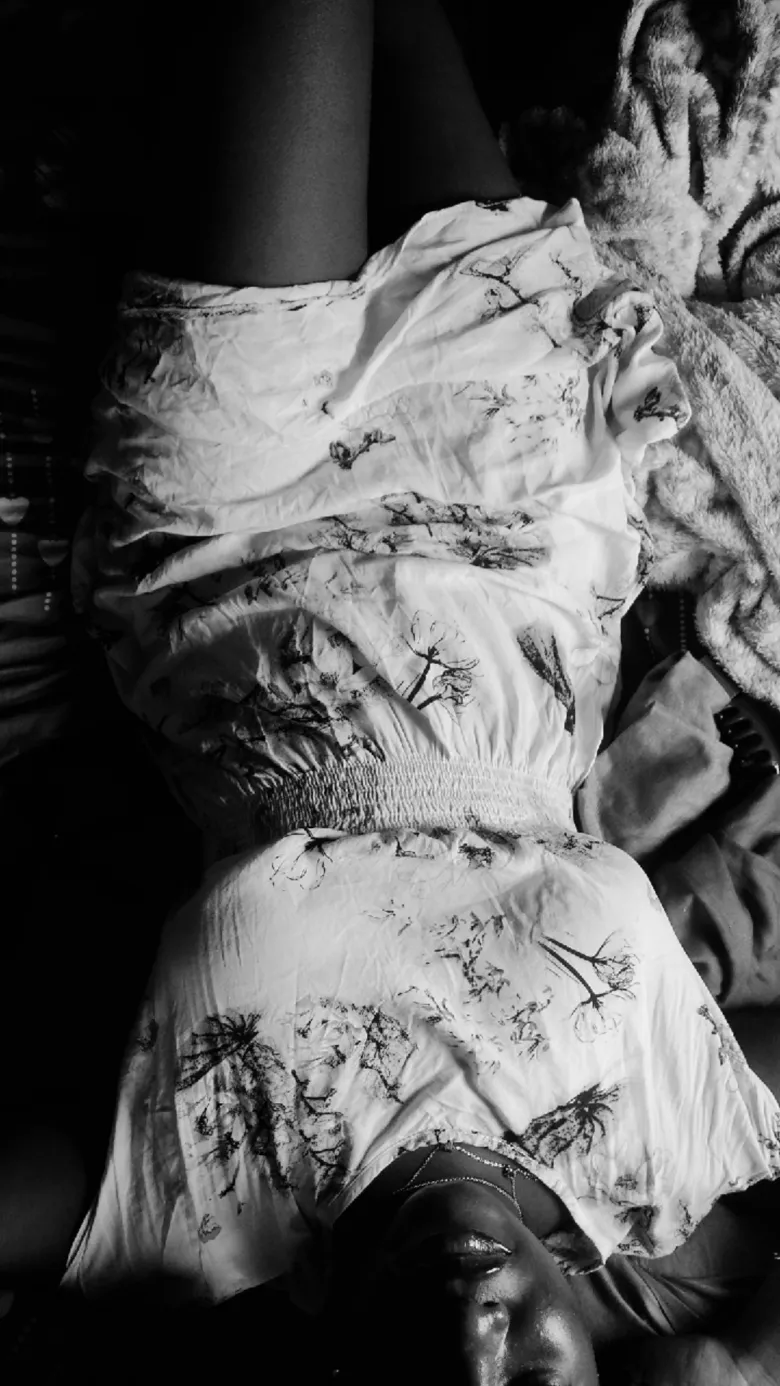
The first time Hadiza realized she was different, she was eight. It was the day she almost died.
One minute, she was chasing her brother Musa across the yard, laughing. The next, she was on the ground, her chest squeezed tight, her bones screaming.
The hospital smelled of antiseptic and quiet suffering. A thin doctor with tired eyes turned to her mother.
“She’s having a crisis. Her blood cells are sickling.”
Hadiza didn’t understand. All she knew was that the pain felt like knives scraping her bones and that her mother wouldn’t stop crying.
By twelve, Hadiza understood her body was her enemy. Cold stiffened her joints. Heat drained her. Malaria struck like a hammer.
She saw the pity in people’s eyes. The whispers. “Sickle cell children. They don’t last long.”
Her mother, Aisha, fought it with herbs, compresses, and whispered prayers. “Allah will heal you,” she’d say. But Hadiza saw the fear behind the faith.
Her father, Alhaji Suleiman, was different. Silent. Unmoved. He had refused to listen when the doctors warned them before marriage.
You are both AS.
He had shaken his head. “Allah will decide.”
Allah had decided.
At nineteen, Hadiza met Ibrahim. He was tall, with a voice that made pain bearable.
She told him the truth.
“I have sickle cell.”
“I know.”
“My crises… they come anytime.”
“I know.”
“And if we marry… if we have children…”
A shadow flickered in his eyes. “Allah will decide.”
Hadiza heard her father’s voice in his. The same blind faith.
“No,” she said, her voice steady. “Science will.”
She walked away before love could become another death sentence.
At twenty-three, the crises became more frequent. The doctors spoke in hushed tones now.
“Your organs are struggling,” they said. “We need to prepare.”
Prepare for what?
Death?
She wasn’t ready.
One night, as pain wracked her body, she reached for her mother’s hand, gripping through the agony. “You knew,” she whispered. “You knew this could happen.”
Aisha’s tears spilled onto the sheets. “I prayed. I believed.”
Hadiza let go.
Love was not enough. Faith was not enough. She would not be her mother.
She would not gamble with life.
At twenty-four, she saw Ibrahim again. Older. Heavier. Still Ibrahim.
“You look well,” he said softly.
“I am,” she lied.
A woman stood beside him, cradling a baby. His wife. His child.
A sharp pain lanced through her, different from the ones she knew.
“She’s beautiful,” Hadiza said.
Ibrahim hesitated. Then, quietly, “She has sickle cell.”
The words sliced through her like glass.
Hadiza turned, breath catching. “You married an AS woman?”
He swallowed. “We didn’t check.”
Didn’t check?
The same gamble her parents had taken. The same reckless faith.
She looked at the baby. Tiny fingers curled, skin soft and perfect. But she knew the future written in her blood. The fevers. The nights of agony. The whispered prayers.
Hadiza met Ibrahim’s gaze.
“Allah decided, right?”
His silence was heavier than any pain she had ever known.