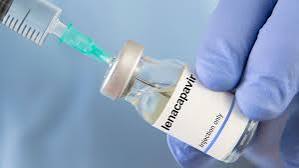
South Africa is moving to manufacture the long-acting HIV prevention drug lenacapavir within its borders, in a bid to cut costs, secure supply and deepen the country’s role in the global fight against the virus.
The government is working with international health partners, including Unitaid and United States Pharmacopeia, to identify and support a local company that can meet the stringent standards required to produce the injectable medicine. The plan is to plug South African manufacturers into an emerging global supply network for lenacapavir, rather than rely solely on imports.
Lenacapavir, developed by Gilead Sciences, is given as a subcutaneous injection only twice a year. Its long-acting profile has raised hopes among clinicians and activists that it could transform HIV prevention, particularly for people who struggle to take daily oral pills or face stigma when seen collecting them.
With an estimated eight million people living with HIV, South Africa remains the country most affected by the epidemic. Officials argue that local production of lenacapavir could help drive down prices over time, improve security of supply and make it easier to integrate the drug into public-sector prevention programmes.
The initiative is expected to build on Gilead’s voluntary licensing programme, which allows selected generic manufacturers to produce and sell lenacapavir in many low- and middle-income countries. Licences have already been granted to firms in India, Egypt and Pakistan, covering distribution in more than 120 countries, including South Africa.
For now, access to lenacapavir in Africa is largely channelled through donor-backed projects and research studies. Public health experts warn that as regulatory approvals expand and demand grows, current manufacturing capacity may not be sufficient, risking shortages or delays in rollout.
Establishing a South African production base is seen as a way to ease that pressure while advancing the country’s broader ambition to become a regional pharmaceutical hub. Officials and advocates say success will depend on rapid technology transfer, strong regulatory oversight and sustainable financing so that locally made lenacapavir reaches public clinics at an affordable price.
If those pieces come together, South Africa could not only secure its own supply of a promising HIV prevention tool, but also help supply neighbouring countries, strengthening Africa’s hand in shaping the next phase of the HIV response.


.jpeg?alt=media&token=96b327a5-8e62-4ed1-a078-308aff149ed1)