One of the things that stood out to me in Afemefuna is the careful use of language throughout the film. The mixture of Igbo and English was not just for communication but also worked as a tool to show identity and belonging. In several scenes, the language characters used seemed to reflect how comfortable they were in their environment. When characters spoke Igbo, it often created a sense of cultural connection and authenticity, reminding the audience of the strong cultural setting of the film. It also helped to portray the emotional depth of certain moments in a way that English alone might not have captured.
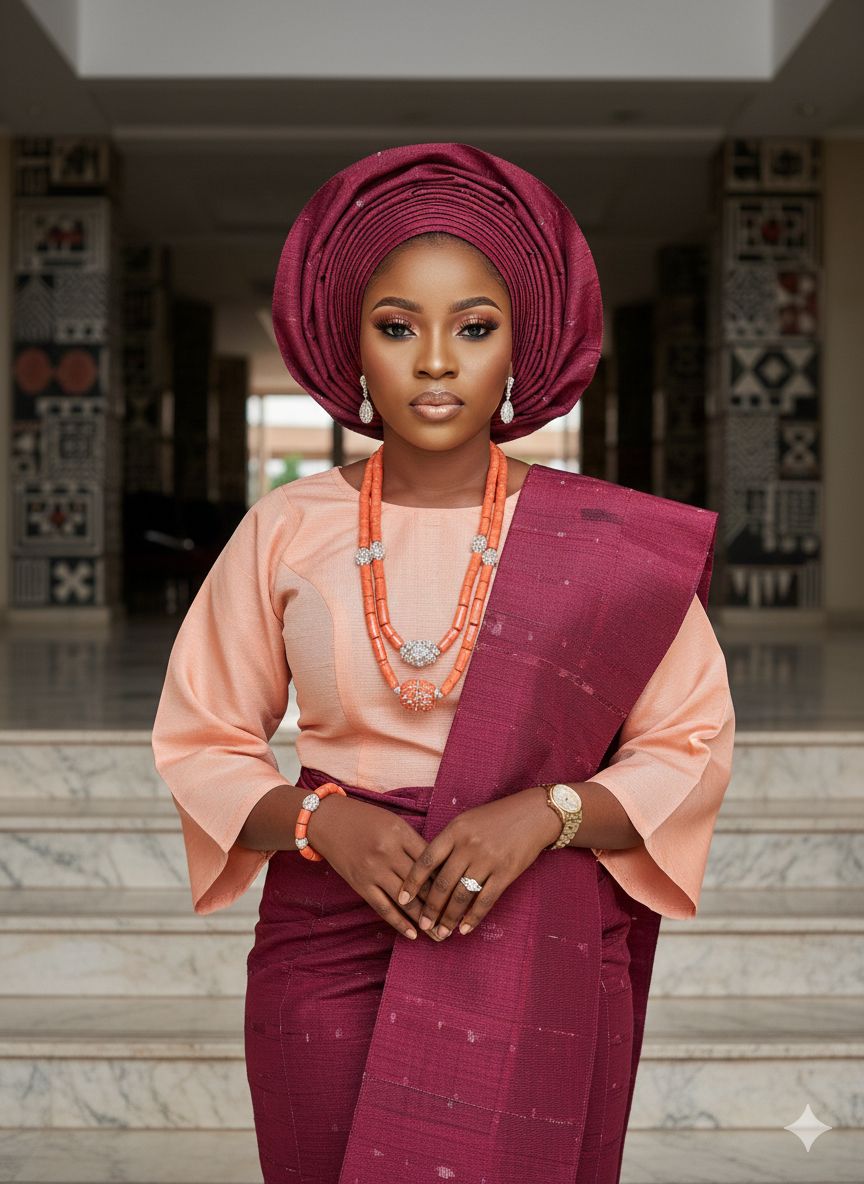
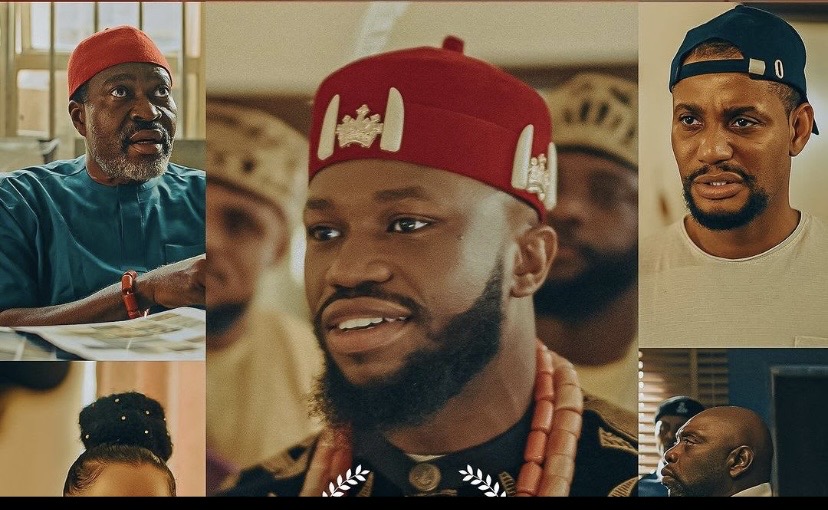
Another aspect that caught my attention was the costume design. The costumes helped establish the social background and personality of the characters without the need for too much explanation. Traditional outfits were used in scenes that emphasized cultural pride and heritage, which made the film feel more grounded in Igbo culture. At the same time, some characters were dressed in more modern clothing, which subtly reflected changing lifestyles and the influence of contemporary society.
I also found the art direction quite interesting. The setting and props used in different scenes created a realistic environment that supported the story. The homes, streets, and general environment felt believable and relatable, which made the audience more immersed in the world of the film. The visual details helped communicate the characters’ living conditions and social realities without needing explicit dialogue.
Overall, what made Afemefuna interesting to me was how the film used cultural elements—especially language, costume, and setting—to strengthen its themes of identity and belonging. These elements worked together to make the film feel authentic and culturally rich while still being engaging to watch.