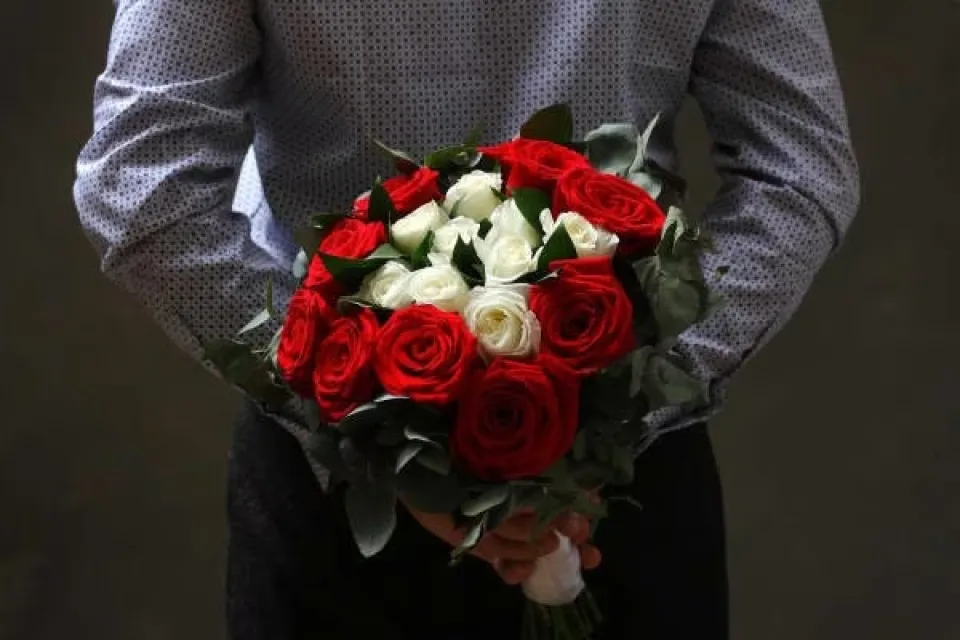
When we think of romance, grand gestures like candlelit dinners, surprise getaways, and handwritten love letters often come to mind. Traditionally, these acts are associated with men trying to woo or maintain the affection of their partners. This begs the question: are women actually romantic, or is romance something that primarily benefits women, executed by men?
Historically, society has perpetuated the idea that romance is a domain where men are the primary actors, engaging in elaborate courtship rituals to win over women. From serenading under moonlit windows to arranging elaborate proposals, men often shoulder the responsibility of keeping the flame of romance alive. Meanwhile, women are typically seen as the recipients of these romantic acts, expected to appreciate and reciprocate with gratitude rather than equal effort.
Romantic gestures are often designed to cater to what is perceived as female desires. Flowers, chocolates, and jewelry are marketed predominantly towards women, reinforcing the notion that romance is something done for them, not by them. Valentine’s Day, anniversaries, and other romantic milestones further emphasize this dynamic, with men often going to great lengths to plan and execute these events.
In many relationships, men bear the emotional and financial burden of romance. The pressure to come up with creative, heartfelt ways to express love can be immense, and the societal expectation is that men must continuously prove their affection through these grand gestures. Women, on the other hand, are often positioned as the judges of these efforts, their approval or disapproval shaping the perceived success of the romantic endeavor.
However, this traditional view of romance overlooks the subtle, yet equally significant, ways in which women express love and affection. While they may not always be the ones planning surprise dates or buying gifts, women often demonstrate romance through emotional labor, nurturing, and creating a supportive environment. These acts, though less visible, are crucial to maintaining the fabric of a relationship.