By Nwaibe Jennifer chinaza/300level Mass Communication UNILAG
How Tech Companies Keep Us Scrolling
In the modern world, the apps and platforms we use daily TikTok, Instagram, X, and WhatsApp are often seen as simple utilities. However, from a technical perspective, these are highly complex systems designed with a very specific goal: to maximize the amount of time users spend on the platform. This is often referred to as the attention economy. For tech companies, your time and attention are the primary products. This article examines the technology behind the screen, focusing on algorithms and engagement-focused design to help readers see the connection between app architecture and their own behavior.
The primary tool used by tech companies to keep us scrolling is the algorithm. An algorithm is essentially a set of instructions that determines what content you see and in what order. In the past, social media feeds were often chronological, meaning you saw posts in the order they were created. Today, feeds are engagement-ranked. This means the algorithm analyzes your past behavior, what you click on, how long you hover over a photo, and what you share, to predict what will keep you on the app for the longest possible time.
For students, this often manifests in a way that feels very personal. If you spend time reading about a specific global crisis or a local controversy, the algorithm notes that this type of content successfully held your attention. Consequently, the next time you open the app, the algorithm will prioritize similar content. This creates what is known as an echo chamber or a filter bubble. You are not seeing a representative sample of the world; you are seeing a version of the world that the algorithm has determined will trigger the strongest emotional response from you. Because negative or controversial news generates more engagement than positive news, it is naturally pushed to the top of your feed.
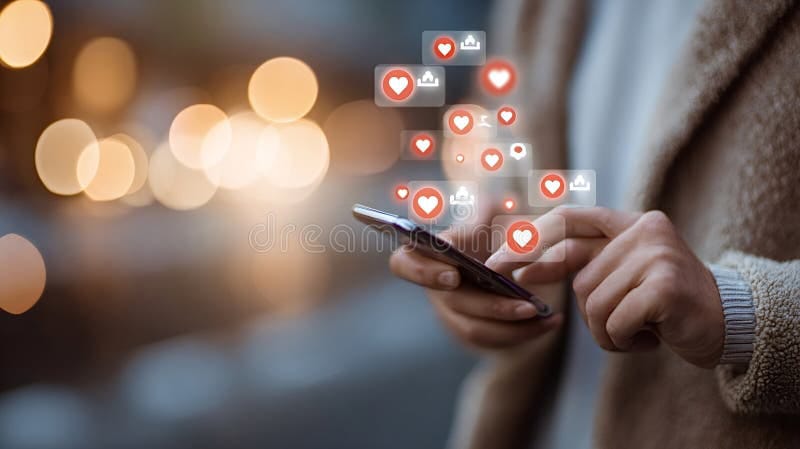
Another significant factor is the design of the interface itself. Consider the infinite scroll or the pull-to-refresh gesture. These features were not accidental discoveries; they were inspired by the mechanics of slot machines. In a casino, a slot machine keeps players engaged by offering variable rewards, you don't know when you will win, so you keep pulling the lever. On a smartphone, the act of refreshing a feed provides a similar variable reward. You don't know if the next post will be a funny video, a message from a friend, or a tragic news story, so you keep scrolling to find out.
In student communities, WhatsApp chains and viral trends also play a major role. These platforms capitalize on our social nature. When a piece of news is shared widely within a group, the platform's metrics see it as highly relevant, causing it to appear more frequently in other people’s suggested or trending sections. This creates a snowball effect where a single piece of bad news can dominate the digital lives of an entire student body within hours. It is a system built to prioritize speed and emotion over accuracy or well-being.
By understanding that these apps are actively working to keep us engaged, we can change our perspective on our digital habits. It becomes clear that our choice to scroll is often heavily influenced by the software we are using. These companies employ thousands of engineers and psychologists to ensure that their products are as habit-forming as possible. Recognizing this helps to shift the balance of power back to the user.
In conclusion, the technology we use is specifically engineered to keep us scrolling through a combination of algorithmic ranking and psychological design. These companies profit from our attention, and their systems are built to prioritize content that triggers our emotions. When we realize that our feeds are not a window into reality but a curated environment designed for engagement, we can begin to use these tools more critically. Understanding the how of tech design is a crucial step in moving from a passive consumer to an informed participant in the digital world.