THE GLASS CHILD
By [Glory Kinigoma]
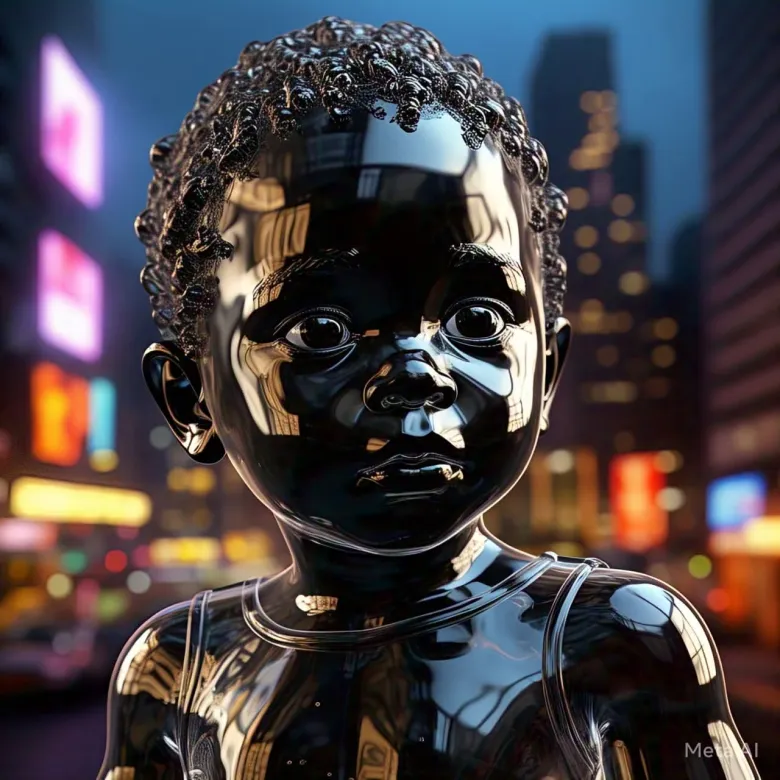
Mama always said the world was made of glass. It could reflect, it could magnify, and if you weren’t careful, it could break.
I learned that lesson the day Papa left.
That morning, the air smelled of rain, though the sky was clear. Papa sat by the wooden table, staring at his hands. Mama stood by the sink, her fingers digging into the soapy water, her shoulders stiff like a locked door.
"You're leaving?" she asked, voice thin as a crack in a window.
Papa exhaled, nodding. He reached for my head, ruffling my curls, his eyes heavy with something unspoken.
"You be strong, Ada," he said. "Glass can break, but it can also be mended."
And just like that, he walked out.
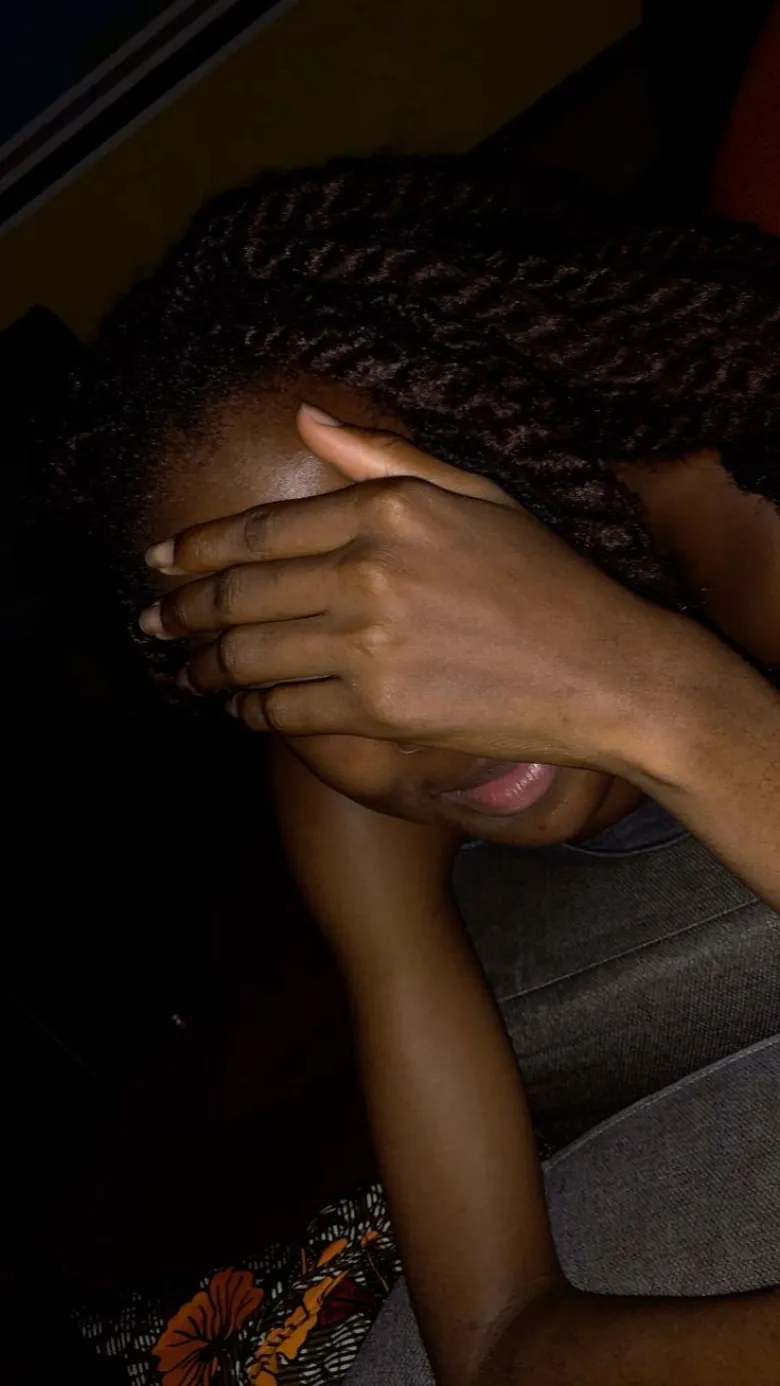
Mama never cried. Not once. But that night, I heard her in her room, her breath hitching in the dark, like a bird with a broken wing.
I sat outside her door, hugging my knees. If the world was made of glass, then ours had shattered.
We moved to the city when I turned ten. A place where everything was fast—cars, voices, lives.
Mama got a job cleaning offices at night, and during the day, she sold akara by the roadside. She told me to focus on school, to become something more than just "somebody's wife."
"Education is your hammer, Ada," she’d say. "Use it to build something strong."
I listened. I studied. I made the top of my class.
But hunger had a way of making books feel like stones in my hands.
One evening, I saw Mama sitting outside our one-room apartment, staring at her hands the same way Papa once did. The city had wrung her dry.
I wanted to tell her I’d be rich one day, that I’d buy her a house with blue curtains and a fridge full of food. But all I could do was hold her calloused fingers and whisper, "Glass can be mended, right?"
She smiled, tired but proud.
"Yes, my Ada. But first, we must survive."
Survival meant different things to different people.
For my friend Emeka, it meant joining a street gang. For me, it meant swallowing my pride.
I was sixteen when I took my first job cleaning at a bookshop after school. The owner, a wrinkled old man with kind eyes, paid me just enough to help Mama.
And then I met Mr. Phillips.
He was one of those men who wore wealth like a second skin. He came to the shop often, buying books but never reading them. One day, he noticed me writing in my notebook during a break.
"You like stories?" he asked.
"I love them," I answered.
He chuckled. "A girl who loves stories should write them."
I told him about my dream—to be a writer, to tell stories that mattered. He nodded, then handed me a crisp envelope.
"A scholarship," he said. "For a girl who dares to dream."
Mama cried when I told her. This time, not from sadness.
The world of glass had finally reflected something good.
University was a whirlwind—new faces, new lessons, new hunger. But I worked hard.
I wrote about the streets I grew up in, about Mama’s sacrifices, about Papa’s absence. I wrote about glass—how it shatters, how it mends.
One night, I received an email that changed everything.
"Ada Okafor, your short story has won the National Literary Prize. A publishing house is interested in your work."
I reread it a hundred times.
The world didn’t feel so fragile anymore.
The day my first book launched, Mama wore a dress I bought her, blue like the curtains I once promised. She stood in the crowd, her eyes shining.
When I stepped up to speak, I thought of the little girl who once believed the world was made of glass.
And then I spoke.
"To everyone who has ever felt broken, remember this—glass can be shattered, but it can also be mended. And sometimes, it can be turned into something beautiful."
Mama clapped the loudest.
That night, as we drove home, she held my hand and whispered, "You did it, my Ada."
I smiled.
We did.
THE END.