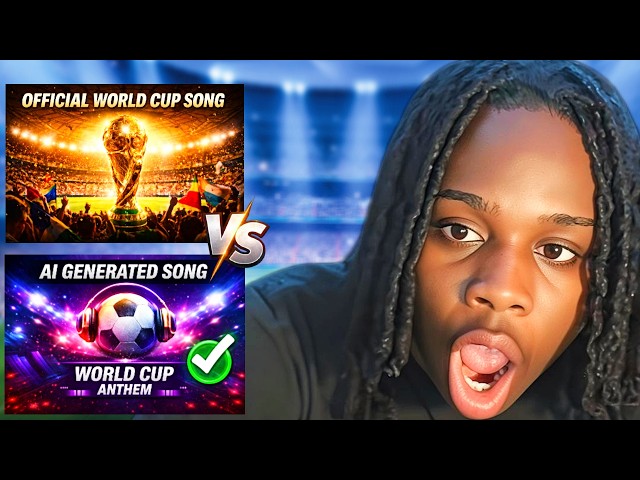
The official anthem for the 2026 FIFA World Cup may already be locked in, but online, a parallel soundtrack is exploding. Across YouTube, TikTok and Instagram, fans armed with artificial intelligence tools are composing their own World Cup songs, challenging the dominance of FIFA’s carefully curated hit.
These unofficial anthems, generated in minutes by music models and polished with basic editing software, are pulling in millions of views. They range from full stadium bangers to 15‑second hooks designed to loop under goal compilations, fan reactions and watch‑party clips. In the process, they are redefining who gets to decide what the World Cup sounds like.
One of the breakout examples is “Light Up the World,” a fan‑made track dedicated to France and released under the AI music banner Coda Global Ensemble. Built around pounding drums, massed crowd vocals and a chorus tailored for chanting, it spread quickly across social platforms and inspired copycat anthems for Brazil, Portugal, Argentina and Germany.
The formula is simple. Creators type prompts such as “epic World Cup anthem for Brazil with samba drums and roaring crowd” into AI music generators, then tweak the stems, layer in sampled chants and sync the track with AI‑generated visuals of star players and national colours. Online tutorials show how a single person can produce a full anthem and video package in under an hour.
For many supporters, that speed and accessibility are the point. Instead of waiting for an official release from FIFA partners or global pop stars, fans can now produce songs that reflect their own memes, inside jokes and emotional highs and lows of qualification campaigns. Some listeners say these AI‑driven tracks feel more raw and connected to fan culture than the polished, radio‑friendly anthems that have fronted past tournaments.
But the boom comes with sharp questions. Legal scholars and music rights‑holders are debating who owns AI‑generated songs built on models trained with vast catalogues of existing recordings. Football organisations are watching how team names, crests and tournament branding are used in monetised fan content that looks increasingly professional.
There is also a cultural worry: if algorithms converge on the same triumphant drums, generic synths and crowd samples, the distinct musical identities that once defined World Cup hosts and champions could blur into a single, globalised sound.
For now, though, the contest is on. The official anthem may dominate stadium speakers, but online, AI‑powered fan songs are mounting a serious challenge for the real soundtrack of the World Cup.