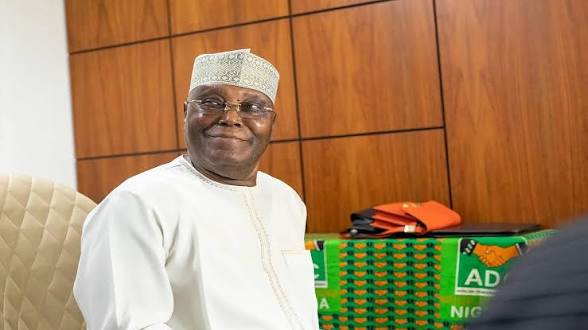
Former Vice President Atiku Abubakar has clinched the presidential ticket of the African Democratic Congress after a tense and closely watched primary in Abuja, positioning himself once again at the centre of Nigeria’s opposition politics.
Atiku was declared winner by the ADC Presidential Primary Electoral Committee at the end of a two-day collation exercise that drew party delegates and observers from across the country. The returning officer, Tunde Ogbeha, announced the outcome after hours of tallying votes from states and diaspora chapters, describing the process as rigorous and comprehensive.
According to the official figures read out by Ogbeha, Atiku secured 1,846,370 votes, a commanding lead over his closest rivals. Former Minister of Transportation Rotimi Amaechi finished second with 504,117 votes, while economist Mohammed Hayatu-Deen garnered 177,120 votes. The margin of victory underlined Atiku’s organisational reach within the party and the success of weeks of behind-the-scenes negotiations and endorsements.
The result, however, has been swiftly rejected by both Amaechi and Hayatu-Deen, who allege irregularities in the compilation and collation of votes. Their campaign teams have questioned aspects of the delegate accreditation process and the transparency of the final tally, signalling that internal disputes may shadow the ADC’s preparations for the 2027 presidential election.
Party insiders say the primary capped an intense period of consultations, defections and realignments within the opposition space, as factions sought a candidate capable of unifying disparate interests and challenging the ruling party’s dominance. Atiku’s emergence is seen by his supporters as a consolidation of his long-running bid to shape national leadership, while critics within the party warn that unresolved grievances could weaken the ADC’s electoral prospects.
For Atiku, this marks the fourth time he has emerged as a presidential candidate on a major party platform, underscoring both his resilience and the polarising effect of his political brand. His campaign is expected to focus on economic reforms, national cohesion and security, themes that have defined his previous runs for office.
As the ADC moves from internal contest to national campaign, attention will turn to whether the party can reconcile aggrieved aspirants, present a united front and translate Atiku’s primary victory into a credible challenge at the polls.