Prevention Over Restoration
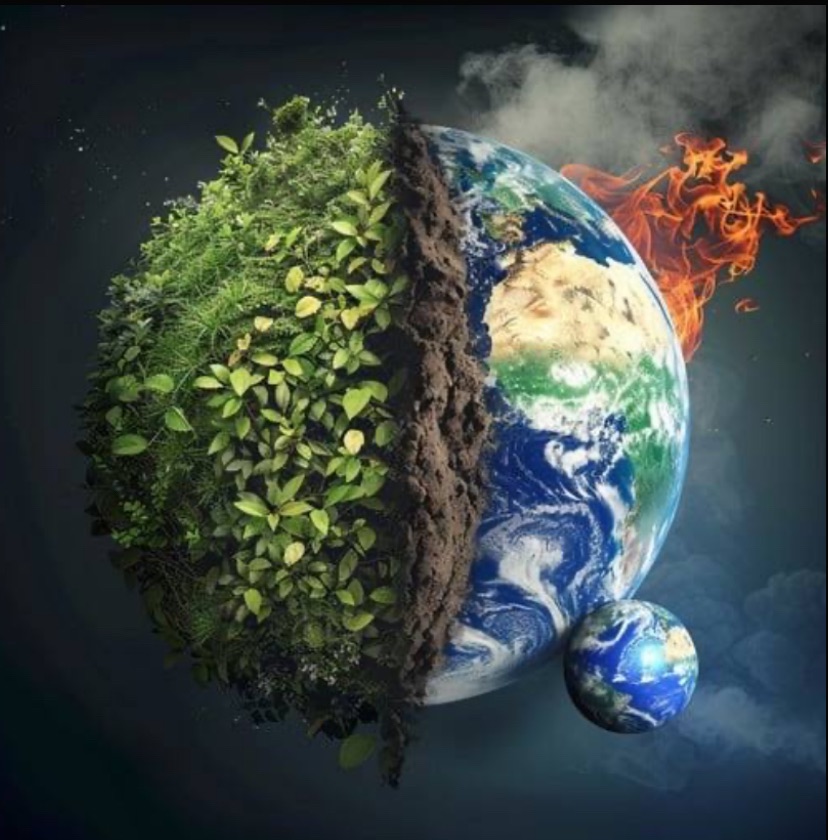
We have reached the final part of our journey. We have talked about the Look Well rule, the cost of convenience, and why data needs a human face. But there is one last truth we must face: It is easier to protect a system than it is to rebuild one. In the world of tech, we call this Preventive Maintenance. In the world of nature, we call it survival.
Why Fixing is a Scam
Many people think we can just restore the environment later. They think, "Let us cut the trees now for money, and in ten years, we will just plant new ones." This is like saying, "Let me smash this original iPhone screen because I can always buy a cheap 'London-used' replacement."
The replacement might look the same, but it will never perform like the original. Restoration is often too late because once an ecosystem is destroyed, you haven't just lost the assets (the trees or the fish); you have killed the Intelligence of the system. You can plant a thousand trees, but you cannot plant the complex relationships between the soil, the birds, and the insects that took thousands of years to build.
In the cycle of performance, we always want the shortest time and the lowest cost. If you think saving the environment is expensive, try repairing it.
Prevention is like changing your car oil for a few Naira to keep the engine smooth.
Restoration is like waiting for the engine to knock and then trying to buy a new one.
The cost difference is massive. Repairing a flooded coastline or cleaning a poisoned river costs millions of dollars and decades of work. Protecting that same river from pollution today costs almost nothing as it just requires the people to think before they act.
Protecting the Originals
We must shift our focus to protecting the existing systems.
An old-growth forest or a natural wetland is a masterpiece of engineering. It works perfectly without any tech intervention. When we protect these systems, we are saving ourselves the impossible task of trying to recreate them later.
As the old saying goes, "Prevention is better than cure." In environmental science, this is the only logic that works. Once a species is gone, or a water table is poisoned, the Undo button doesn't work.
Conclusion: The Human Blueprint
The environment is the hardware that runs the software of our lives. If we break the hardware, no amount of data or convenience will save us. Be the architect who builds a future where we don't need to repair the Earth, because we were smart enough to keep it healthy in the first place.
True intelligence is knowing that the best fix for a problem is making sure it never happens at all.