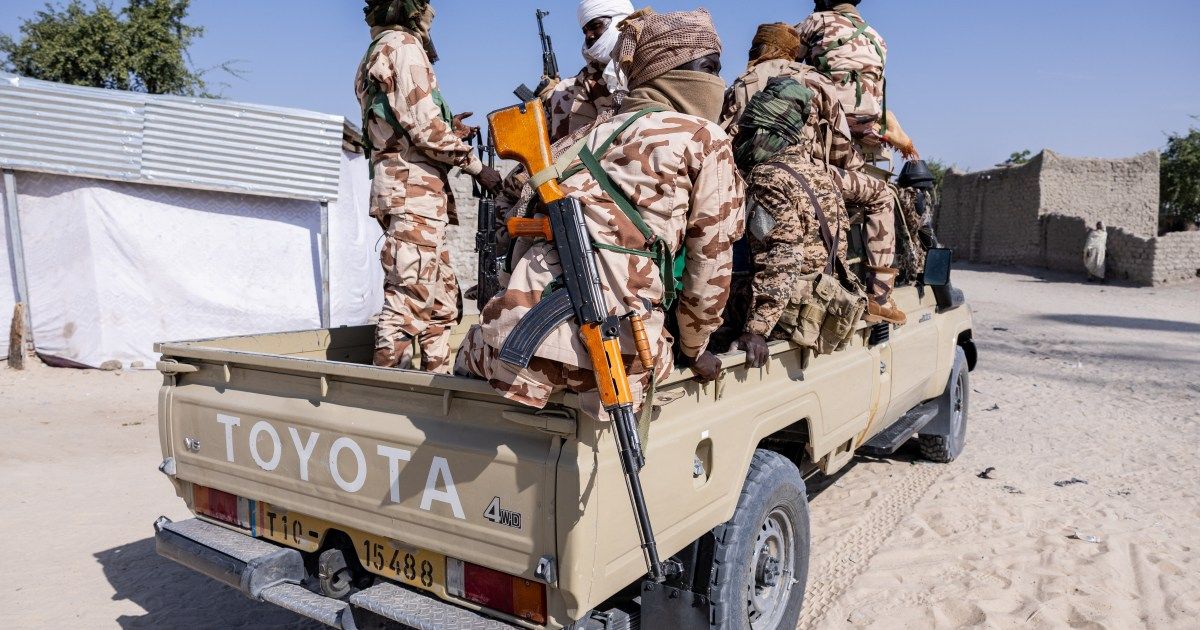
Chad has imposed a 20-day state of emergency in the Lake Chad region after a surge of deadly assaults blamed on Boko Haram left dozens of soldiers dead and exposed the fragility of security around the vast border lake.
Officials say at least 26 soldiers, including two senior generals, were killed in separate ambushes on army convoys and outposts in recent days. The bloodiest incident occurred at the Barka Tolorom military base on the shores of Lake Chad, where insurgents overran positions at dawn, killing at least 24 troops and wounding several others before withdrawing with weapons and ammunition.
Government spokesman Gassim Cherif said the emergency decree followed a high-level security review that concluded the region faced a sharp deterioration in both security and humanitarian conditions. He cited renewed Boko Haram incursions, the displacement of civilians from island communities, and mounting threats to villages, markets, and transport routes.
The state of emergency grants authorities expanded powers to restrict movement, impose curfews, conduct searches, and create special security zones around strategic sites. Local administrators are being reinforced with additional troops and gendarmes, while the army has launched new air and ground operations aimed at flushing militants from remote hideouts.
President Mahamat Idriss Deby has ordered the military to “restore control at all costs” over the lake’s labyrinth of islands, which straddle the borders of Chad, Nigeria, Niger, and Cameroon. For more than a decade, these marshy islets and reed-covered channels have served as staging grounds and rear bases for Boko Haram and its splinter faction, the Islamic State West Africa Province, enabling them to strike security forces and civilians and then slip back across porous frontiers.
Cherif said Deby had thanked Nigeria for its support and coordination in ongoing counterterrorism efforts, underscoring the role of regional cooperation through the Multinational Joint Task Force, which brings together troops from Lake Chad Basin countries. Despite years of joint operations, however, the latest attacks highlight the insurgents’ resilience and their ability to exploit difficult terrain, weak state presence, and deep-rooted poverty.
Humanitarian agencies warn that renewed fighting and tighter security measures could further disrupt livelihoods for fishing and farming communities already battered by conflict, climate change, and shrinking water levels in Lake Chad.