.jpeg?alt=media&token=75cd084e-7319-4e1b-abd7-0121325427df)
In the wake of Burna Boy's recent concert cancellations in the United States, a complex tapestry of opinions has emerged from the public. Comedian I Go Save has publicly expressed his disapproval of Nigerians who are celebrating the cancellations, which resulted from a controversy surrounding the artist's behavior during a live performance.
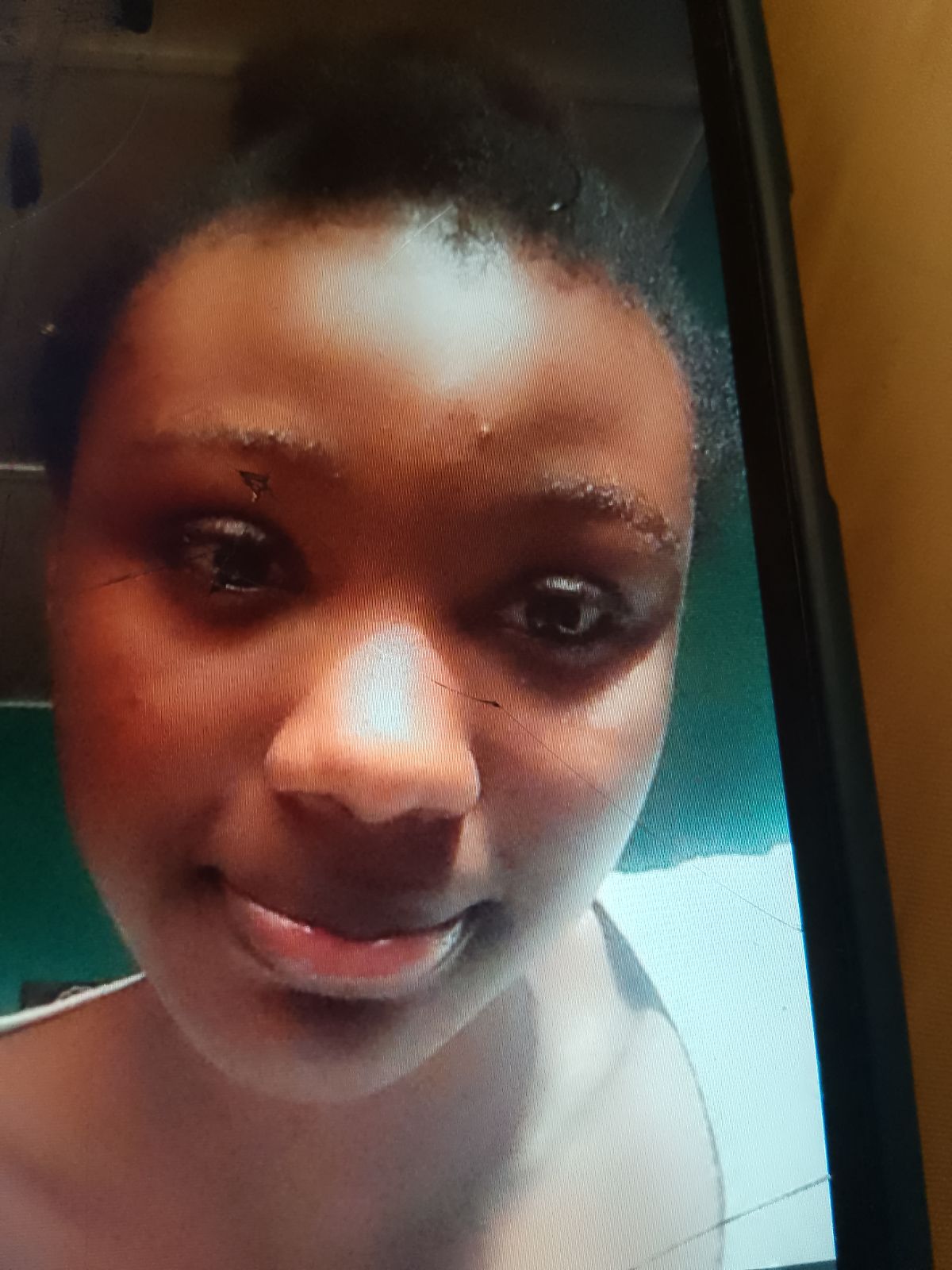
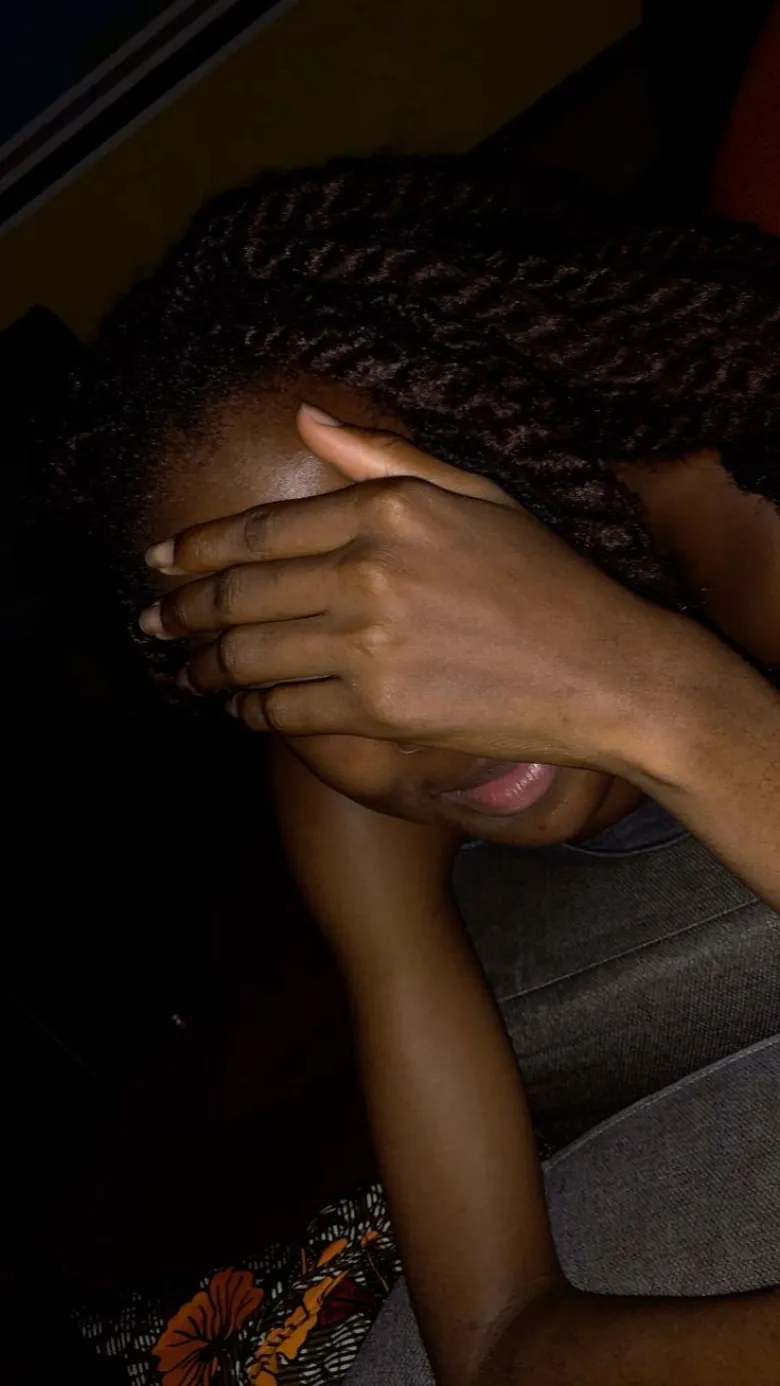
The incident occurred weeks ago when Burna Boy noticed a female fan seemingly asleep in the audience. In a moment of frustration, he interrupted his show to demand her removal, an action that ignited fierce debates among fans and critics. Many took to social media to voice their outrage, while others remained apathetic, viewing it as just another celebrity mishap.
As news spread, some Nigerians in America initiated a boycott of Burna Boy’s shows, leading to the cancellation of his concerts in Chicago and Minneapolis due to poor ticket sales. This development sparked celebrations among certain online communities, who felt justified in their stance against the artist. For them, it was a show of solidarity against perceived disrespect.
In stark contrast, I Go Save's reaction highlighted a sense of moral responsibility. He referred to the celebratory reactions as akin to "witchcraft," expressing concern over the enjoyment derived from another person's struggles. His comments have resonated with a segment of the audience that believes the entertainment industry should prioritize support over schadenfreude.
As the dialogue unfolds, it brings forth critical discussions about accountability and the expectations placed on both artists and fans. Some applaud I Go Save's perspective, advocating for a culture of compassion and understanding, while others remain indifferent, arguing that public figures must face the consequences of their actions. Ultimately, the divided views reflect the complexities surrounding celebrity culture and the impact of social dynamics on artists' careers.




.png?alt=media&token=845378e1-cf95-4bfa-beca-d69a6008a2e2)