It was July 2025, and the air around the University of Abuja was charged with excitement. The Faculty of Communication and Media Studies was hosting a cultural presentation, where each department would showcase a unique culture of Nigeria. As students from the Film and Multimedia Studies department, our task was to present the Gbagi (Gwari) tribe’s culture — and we were determined to make it unforgettable.
The venue was beautifully set, with colorful fabrics draped over the stage and the hum of eager conversations filling the Convocation ground . Departments had been rehearsing for Days, and you could feel the anticipation in the air. From Journalism to Public Relations, each group was ready to bring the heartbeat of Nigeria’s diverse traditions to life.
One of the presentations I looked forward to was from the Strategic Communication department. They had chosen a culture that incorporated an unusual but captivating dance style. When their turn came, the room seemed to come alive. The dancers moved with snake-like fluidity, twisting and bending in ways that made the audience gasp. Their movements were so coordinated, it felt like watching a scene straight out of a traditional TV drama or a ritual performance. I was completely enthralled.
As I clapped along with the beat, a friend leaned over and whispered, “You know, they actually worship snakes in that culture. That’s why they dance that way.” I didn’t know if it was entirely true, but the thought added a layer of mystery to the whole performance.
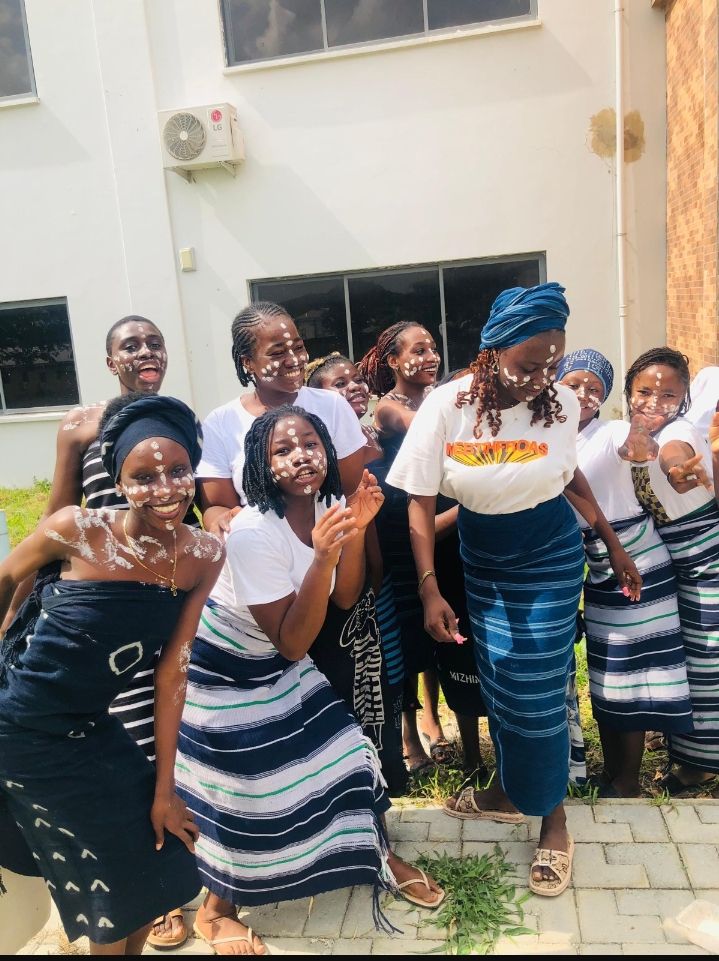
Then it was our turn — Film and Multimedia Studies representing the Gbagi culture. We had gone the extra mile to ensure authenticity. Costumes were carefully sourced to reflect traditional Gbagi attire, and yes — in line with their customs — we even rented a performer who appeared almost naked, wearing only the essential traditional coverings. At first, some of us were nervous about how it would be received, but we wanted to portray the culture honestly, as it is.
Our presentation began with the steady beat of drums, followed by a dramatized scene of Gbagi daily life. Women carried baskets on their heads, men mimicked farming and hunting, and elders told stories under a symbolic baobab tree. The rented performer walked confidently across the stage, his appearance sparking a mix of surprise and curiosity from the audience. But as the performance unfolded, people began to appreciate the cultural context — it wasn’t about shock value; it was about truth.
We also showcased Gbagi music, with its deep, earthy rhythms, and dances that told stories of marriage, harvest, and community gatherings. The smell of local spices wafted in from the side, where we had set up a small table with samples of Gbagi delicacies. It felt like we had transported a piece of Niger State right into the University of Abuja.
Other departments followed, each bringing something unique. The Broadcasting department highlighted the Yoruba talking drum and its ability to “speak” in tonal patterns. The Development Communication students dramatized an Igbo new yam festival, complete with masquerades. It was like touring Nigeria in one afternoon.
By the end of the event, the hall was buzzing with laughter, applause, and animated conversations. We all gathered outside for group photos, our costumes and smiles immortalized in hundreds of snapshots. For me, the day wasn’t just about performing — it was about connection. We had learned about each other’s cultures, shared in their beauty, and celebrated what makes Nigeria such a rich tapestry of traditions.
The experience left me with a deep sense of pride — not only in being part of the Film and Multimedia Studies department but also in being Nigerian. The Gbagi culture, with its unique traditions, had been given a platform, and we had done justice to it. It was more than just a school assignment; it was a living memory.