Nigeria Opens Its Skies: Can Satellite Internet Finally Bridge the Digital Divide?
By Abigail Adewale
Nigeria has taken a bold step to expand internet access by granting satellite broadband permits to major global players: Amazon’s Kuiper Systems, Israel’s BeetleSat, and Germany’s Satelio IoT Services, according to a recent report by Camillus Eboh for Reuters (Eboh, 2026). The Nigerian Communications Commission (NCC) approved these seven-year licenses to allow these companies to deploy their satellites and provide internet coverage, signaling a push toward modern, high-speed connectivity for the country’s underserved areas.
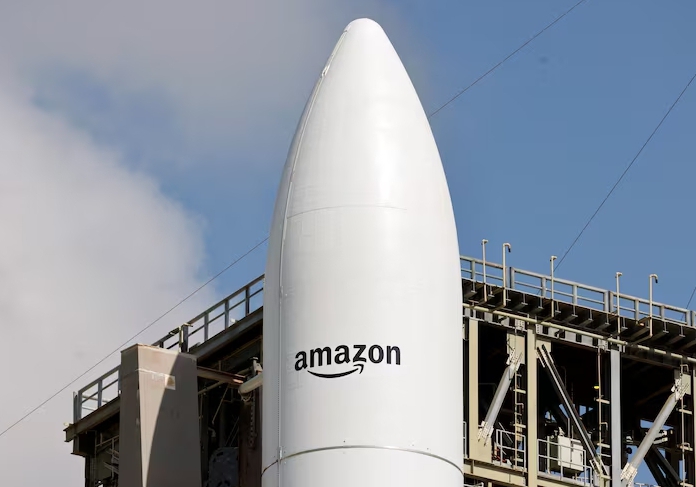
Under these licenses, Amazon’s Project Kuiper plans to deploy more than 3,200 satellites, while BeetleSat aims for 264 satellites, and Satelio proposes 491 satellites, though only one is currently in orbit (Eboh, 2026). These satellites are designed to orbit closer to the Earth than traditional satellites, reducing signal delay and providing faster internet service. The goal is to reach rural and remote areas where laying fiber-optic cables or building cell towers is expensive or difficult.
The potential benefits of this move are significant. Satellite internet can provide reliable connectivity to millions of Nigerians who have long struggled with slow or unavailable internet. Better access can improve education through online learning, healthcare via telemedicine, and business opportunities through digital tools. Satellite networks also allow simultaneous connections over wide areas, which is particularly valuable for agriculture, government services, and emergency response (TechAfrica News, 2026).
However, there are also challenges. The cost of satellite broadband could be high, potentially limiting access to wealthier users if regulators don’t set fair pricing. There is also intense competition with existing providers, which could create regulatory headaches, as seen with other services like Starlink. Beyond cost, deploying thousands of satellites increases the risk of space congestion, and managing these networks will require careful planning to avoid technical and environmental problems (Eboh, 2026)
Nigeria’s decision represents a major step toward closing the digital divide, bringing the country closer to a modern, connected economy. If managed well, it could revolutionize access to information, education, and business opportunities. The true measure of success will not just be in permits granted or satellites launched, but in how effectively these networks improve daily life for Nigerians and ensure that no community is left offline in the digital age (Eboh, 2026
@Dr Olunifesi Suraj
References
Eboh, C. (2026, January 16). Nigeria grants satellite permits to BeetleSat, Satelio and Amazon’s Kuiper. Reuters.
TechAfrica News. (2026). Satellite broadband and its potential for African connectivity.