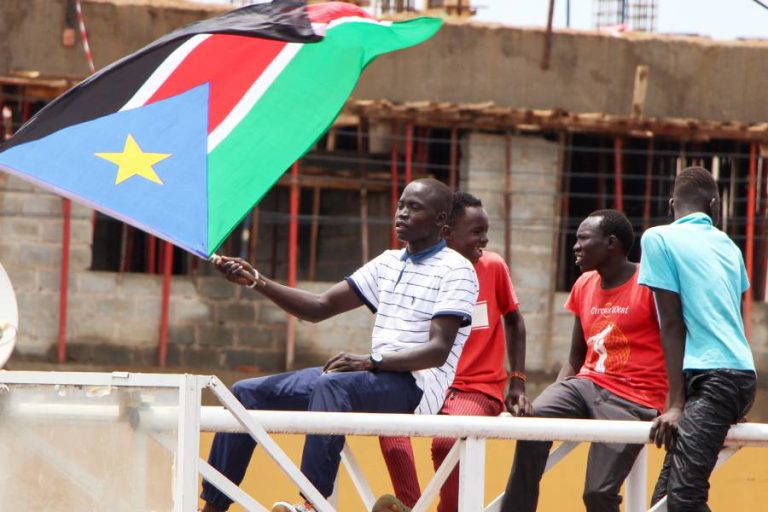
Africa is home to 54 recognised countries, but some of them are considerably younger than others.
While many African nations gained independence in the 1950s and 1960s, a handful became independent much later.
1. South Sudan – 2011
South Sudan is the newest country in Africa and the youngest internationally recognised country in the world.
It became independent from Sudan on July 9, 2011, following a referendum in which an overwhelming majority of voters backed independence.
The country emerged after years of civil war between forces in northern and southern Sudan. Its capital and largest city is Juba.
2. Eritrea – 1993
Eritrea became independent from Ethiopia on May 24, 1993, following a prolonged armed struggle.
The country had been federated with Ethiopia in 1952 before Ethiopia annexed it in 1962. The subsequent independence war lasted for about three decades.
Eritrea’s capital is Asmara, which is known for its distinctive Italian colonial-era architecture.
3. Namibia – 1990
Namibia gained independence from South African rule on March 21, 1990, becoming one of Africa’s newest sovereign states at the time.
5. Djibouti – 1977
Djibouti became independent from France on June 27, 1977, making it the fifth-newest country in Africa.
The country was previously known as the French Territory of the Afars and Issas. Following a referendum and negotiations with France, Djibouti achieved independence.
Located in the Horn of Africa, Djibouti occupies a strategically important position near the Red Sea and the Gulf of Aden. Its capital, Djibouti City, is also the country’s largest urban centre