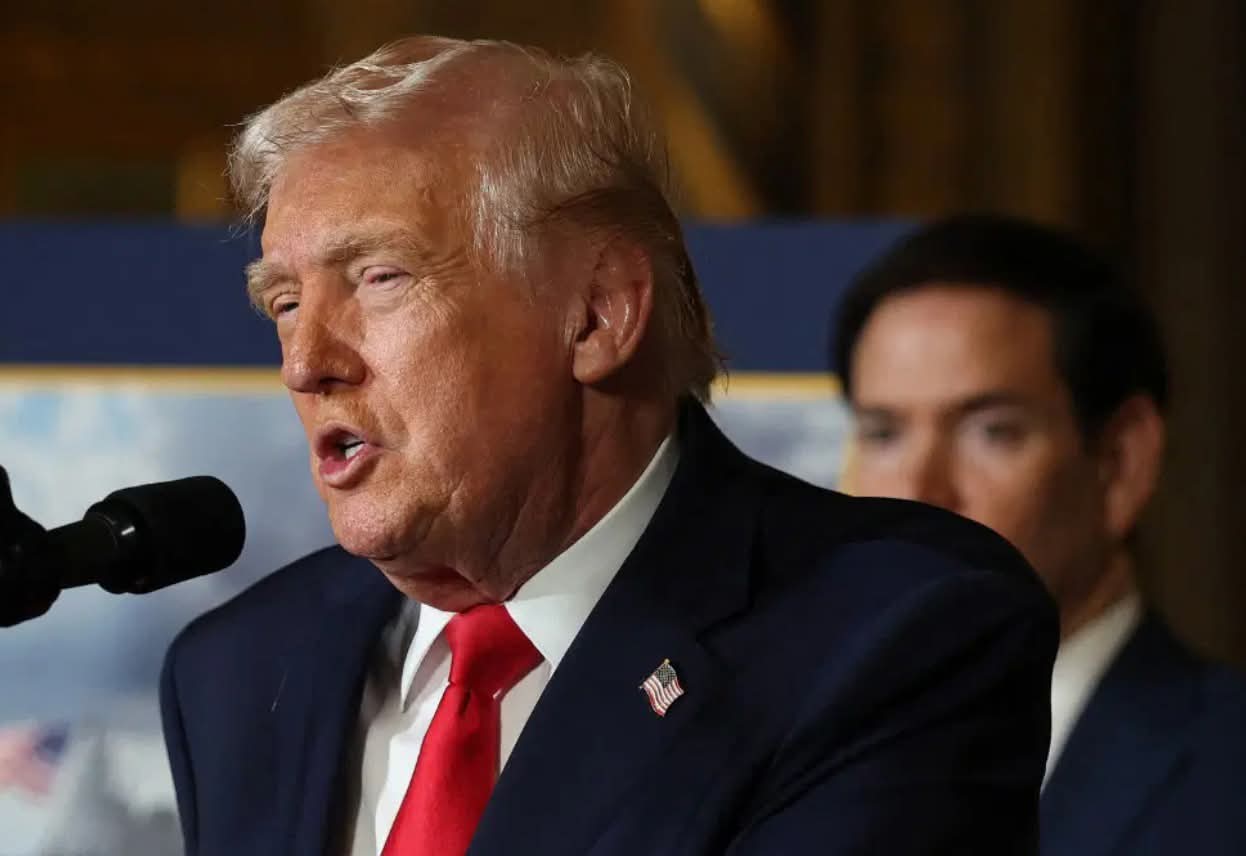
The Environmental Protection Agency under Donald Trump is reportedly preparing an aggressive bid to overturn one of the central legal pillars of US climate policy: the 2009 endangerment finding, which concluded that greenhouse gases threaten human health and welfare.
That finding, grounded in decades of climate science and a Supreme Court ruling that greenhouse gases qualify as air pollutants under the Clean Air Act, has served as the legal foundation for federal regulation of six key gases, including carbon dioxide and methane. It has withstood repeated court challenges from industry groups and conservative states.
According to reporting in the Wall Street Journal, EPA administrator Lee Zeldin is now seeking to revoke the finding, a move that would dramatically narrow Washington’s ability to curb emissions from vehicles, power plants and industrial facilities. The initial target is tailpipe standards for cars and trucks, but legal experts say unraveling the endangerment finding could ripple across nearly every major climate rule on the books.
The effort is expected to trigger an immediate wave of lawsuits from environmental organizations, public health advocates, blue states and possibly some corporations. Because the endangerment finding rests on an extensive scientific record, any attempt to reverse it would have to justify discarding or reinterpreting that evidence, a task courts have historically viewed with skepticism.
Notably, major automakers that lobbied Trump to weaken fuel economy rules have not called for scrapping the endangerment finding itself. Electric vehicle maker Tesla has urged the EPA to preserve it, calling the underlying science “robust” and warning that regulatory backtracking would inject costly uncertainty into long-term investment decisions.
If the rollback succeeds, the United States would drift further from the climate policies of other advanced economies, where emissions standards are tightening. Multinational manufacturers could be forced to engineer different product lines for the US and overseas markets, raising costs and complicating supply chains.
Automakers are already grappling with what executives describe as regulatory whiplash: shifting rules at home, surging competition from Chinese EV makers and heavy dependence on profits from gasoline and diesel trucks. Analysts say that dependence has delayed the transition to cleaner fleets, leaving US companies exposed as global demand tilts toward low-emission vehicles.
The Trump administration has claimed that dismantling climate rules could save more than $1 trillion, but has not provided detailed analysis. Independent research points in the opposite direction, projecting that unchecked climate change will inflict far greater economic damage through rising seas, lost property, higher mortality and reduced global output.







.jpeg?alt=media&token=b3335771-c11d-4f8b-ae31-55463f8c6c43)