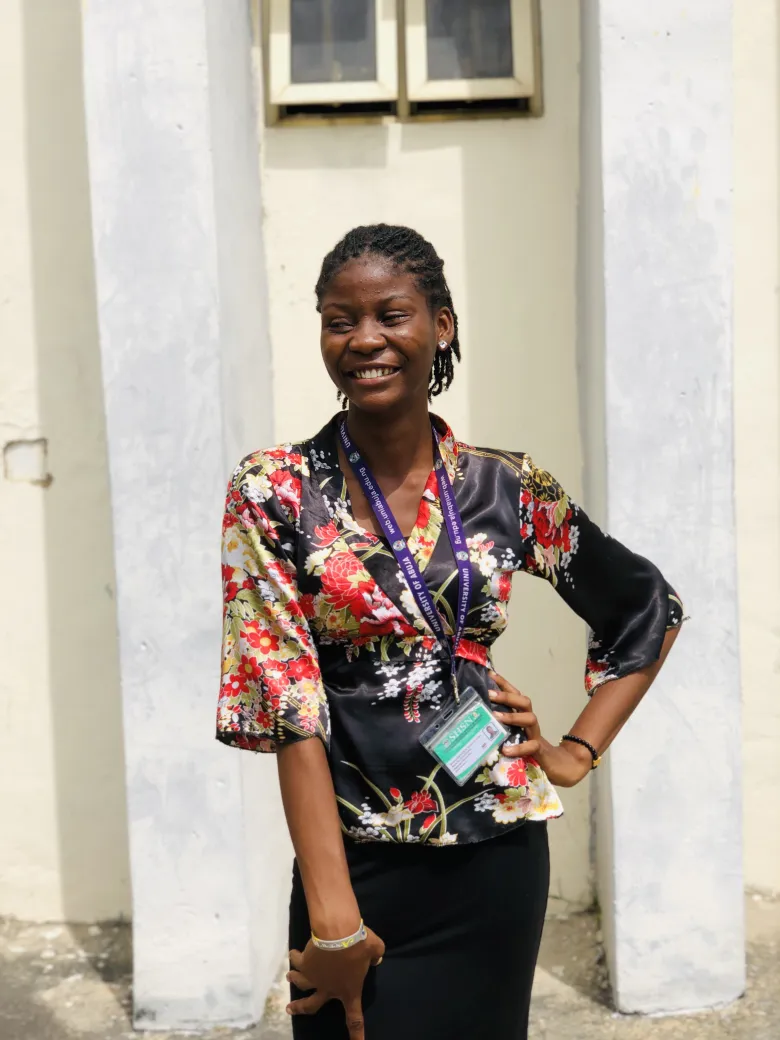
It was always Lara and Dara. Until that day.
The day my sister died, the world didn’t stop.
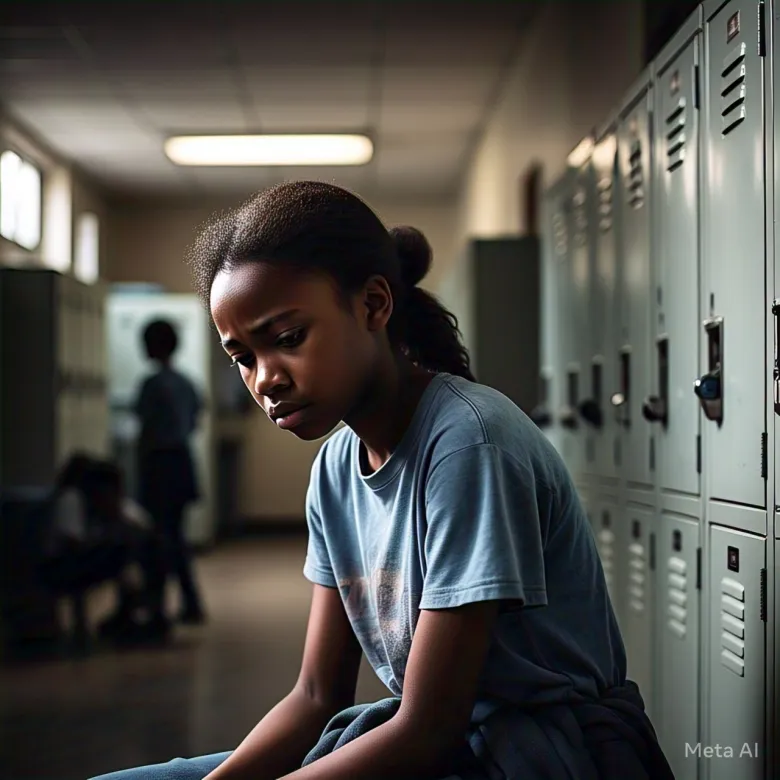
Classes continued. Students laughed. Teachers shouted instructions. And as for me, fourteen, trembling, and suddenly an only child, a single twin, I just sat in silence, waiting to wake up from the nightmare.
Her name was Dara. Fourteen also, bold, the type to raise her hand before a question was finished. She once told me she wanted to become an engineer and build safe schools. It was ironic, cruel even, that she died under a collapsed classroom ceiling during morning assembly.
It was the last time I heard the bell ring.
After the funeral, people said things like, “She’s in a better place” or “You have to be strong for your parents.” But no one told me what to do with the echo of her laughter in my head or the guilt that I had survived.
I stopped eating.
I stopped talking.
School became a graveyard of memories. Her seat in the front row, the lab coat she left behind, the awards that still hung on the hallway wall. My hands shook during tests. I cried in the toilet. My chest felt like a balloon filled with water, tight, heavy, always on the verge of bursting.
It wasn’t just grief. It was depression.
But no one talks about that in our part of the world. Not in my school. Not in my family. To them, sadness was something you prayed away, not treated.
One day, I fainted in class. The guidance counselor called my parents. That was the beginning of my turning point.
Therapy started slowly. I barely spoke at first. But the woman across the table was patient. Week after week, I unpacked my sorrow like old clothes.
She taught me how to name my emotions. That guilt had a shape. That sadness had a rhythm. That healing was not forgetting, but learning how to carry the memory without letting it crush you.
I began journaling. At first, it was just scribbles—tears turned into ink. But over time, I found joy in at least one reasonable activity. Finding your voice. That's what people call it.
Then, I joined the school press club.
My first article was titled: “When The Ceiling Falls: A Student’s Plea for Safer Schools.” It went viral. A state commissioner replied. The school building was audited. Repairs began.
People started listening.
My voice, once lost in grief, became a microphone for change.
Dara would have been proud.
I still cry sometimes. I still freeze when I hear sirens. But I am no longer drowning.
I’m living. I’m speaking. And I’m learning to be whole again, one breath at a time.
Because healing isn’t forgetting. It’s remembering without falling apart.