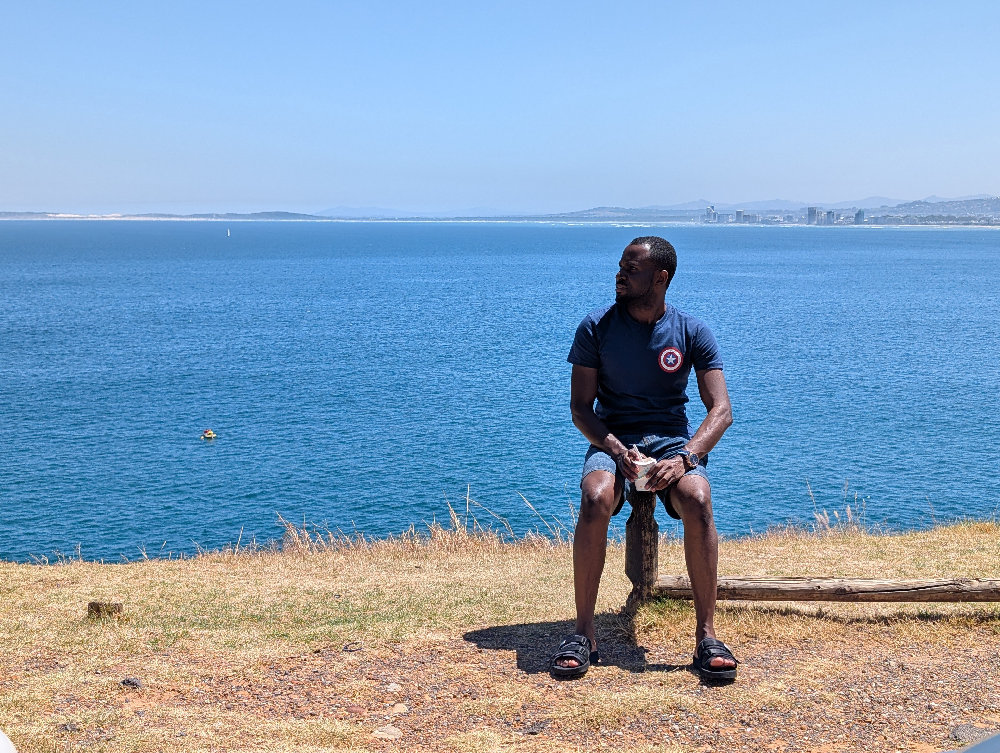
Noah’s life had always been about music. He wasn’t a star or a household name, but his guitar was his voice, his escape, and his connection to the world. From playing at local cafes to composing songs late into the night, music was the thread that wove through every part of his life.
Then, one winter morning, a car accident changed everything.
The injuries to his hands were severe. Doctors told him he might never play the guitar again. The news hit Noah like a wave, drowning him in a sea of despair. Without his music, who was he?
Rehabilitation was grueling, and progress was slow. Noah avoided his guitar entirely, unable to face the instrument that had been such a core part of him. Days turned into weeks, and his small apartment grew quiet, the absence of music heavier than the pain in his hands.
One evening, while sorting through old belongings, Noah found a dusty harmonica his grandfather had given him years ago. He had barely touched it before, dismissing it as a relic. But something about its simplicity called to him now.
Blowing into the harmonica felt clumsy at first. It wasn’t the guitar—it wasn’t the music he knew. But as the weeks passed, he grew more comfortable. The harmonica didn’t require the intricate fingerwork the guitar did; it allowed him to express himself in a new way. Slowly, melodies began to flow.
Noah’s neighbors started to notice. On warm afternoons, they’d gather outside his window to listen to the haunting, soulful tunes. One of them, an aspiring filmmaker named Emma, approached him with an idea: a short film about resilience, featuring his music.
Though hesitant, Noah agreed. The process was cathartic, each note of the harmonica weaving a story of loss, struggle, and hope. The film, titled *Melody in the Storm*, premiered at a local festival and left audiences in tears. It wasn’t just a story—it was Noah’s story.
The film gained traction online, and soon Noah was receiving messages from people all over the world. They shared their own struggles, their own moments of feeling lost, and how his music had inspired them to keep going.
Encouraged by the response, Noah began performing again, incorporating the harmonica into his sets alongside his guitar—though his playing was limited. His songs carried a deeper weight now, resonating with anyone who had faced hardship and found a way through.
Noah’s journey didn’t erase his scars, but it gave them meaning. He realized that music wasn’t just about the instrument; it was about the connection, the emotions, and the stories it could tell.
Today, Noah leads music therapy workshops, helping others rediscover their own voices through sound. His story reminds us that even when life takes something away, it often gives us the tools to find a new path.
As Noah tells his workshop attendees, “The song doesn’t end when the notes change. Sometimes, it’s in the change that the music truly begins.”