Every year, in the ancient city of Ijebu-Ode, Nigeria, something remarkable happens.
For one day, the streets transform into a spectacular display of culture, tradition, fashion, music, horses, and history.
This is Ojude Oba, one of Nigeria's most celebrated cultural festivals.
The name Ojude Oba means “the king's forecourt” or “the king's presence.” It is a gathering where thousands of people come together to pay homage to the Awujale, the traditional ruler of Ijebuland.
But the story of Ojude Oba goes deeper than a colourful annual celebration.
It is a story about faith, community, identity, and a people who have maintained a powerful connection to their homeland for generations.
The Beginning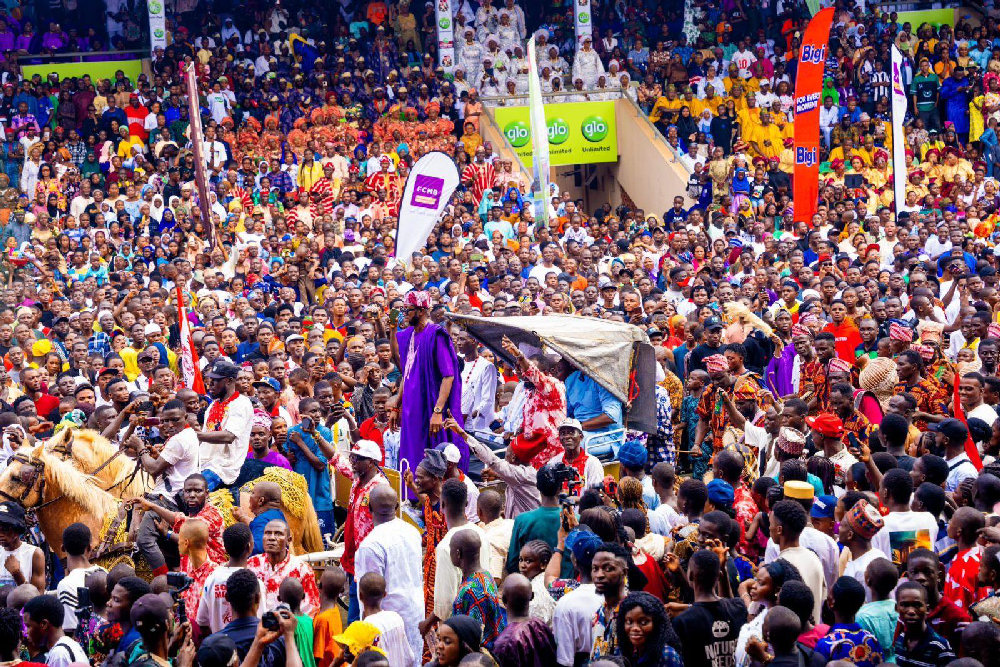
The origins of Ojude Oba can be traced back more than a century.
What began as a relatively modest gathering of Muslims visiting the palace after the Eid celebration gradually developed into something much larger.
Over the years, other communities and social groups became part of the celebration.
And eventually, Ojude Oba evolved into the extraordinary festival known today.
Every year, people return to Ijebu-Ode from different parts of Nigeria and from around the world.
For many, it is not simply a festival.
It is a homecoming.
The Regberegbe
One of the most distinctive features of Ojude Oba is the appearance of the Regberegbe age and social groups.
These groups bring together people who share a common identity, history, profession, generation, or community.
On the day of the festival, they arrive in carefully coordinated outfits.
Their clothing is not merely fashion.
It represents unity.
A group's colours, designs and presentation communicate who they are and the bond that connects them.
As they parade before the Awujale, they celebrate their heritage while demonstrating their continued loyalty to the traditional institution.
A Festival of Fashion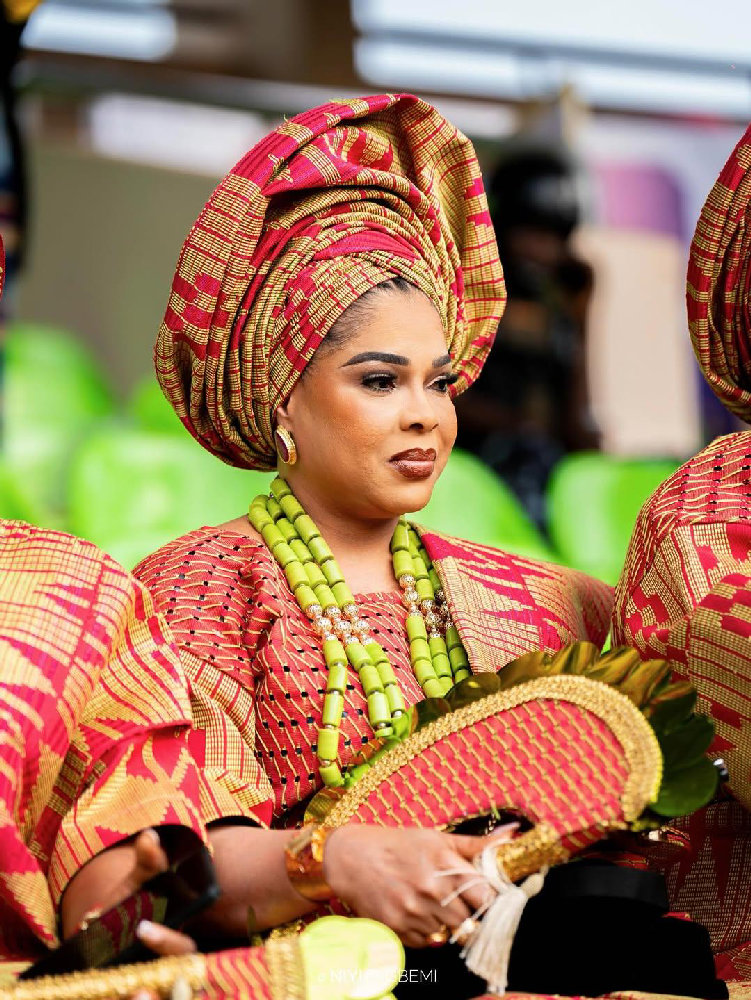
Then there is the fashion.
Ojude Oba has become internationally recognized for its extraordinary display of Nigerian traditional clothing.
Men appear in beautifully tailored agbada.
Women arrive in elaborate iro and buba, lace, aso-oke and spectacular gele.
Families coordinate their outfits.
Designers compete to create increasingly impressive styles.
And photographers capture every detail.
What makes the fashion remarkable, however, is that it is not simply about looking good.
The clothing becomes part of the language of the festival.
It tells stories of wealth, family, status, creativity and identity.
The Horse Riders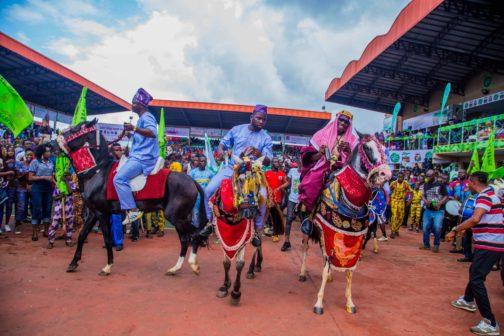
And then come the horses.
The atmosphere changes as the traditional horse-riding groups enter the celebration.
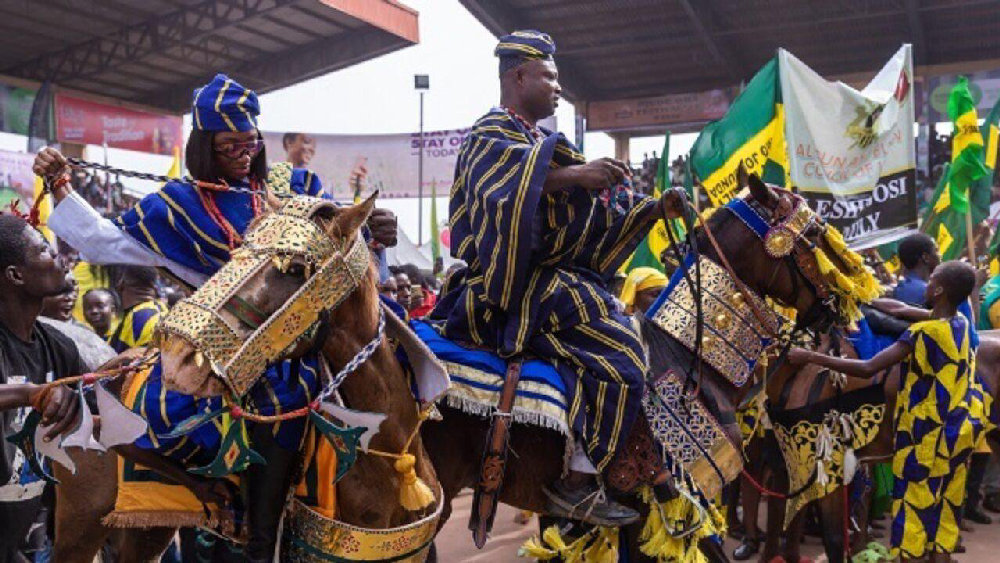
Decorated horses move through the streets while riders dressed in magnificent traditional attire display their skills.
For spectators, it is one of the most anticipated moments of the festival.
But the horses also connect the modern celebration to a much older Yoruba tradition in which horses represented prestige, authority and social standing.
Their presence gives Ojude Oba a sense of grandeur unlike almost any other Nigerian cultural celebration.
The Awujale
At the centre of the celebration is the Awujale of Ijebuland, the traditional ruler whose palace provides the setting for the gathering.
Groups come before the monarch to pay homage.
They greet the king, celebrate their heritage and reaffirm their relationship with the traditional institution.
The palace becomes more than a royal residence.
For that day, it becomes a meeting point between generations.
The old and the young.
Those living at home and those living abroad.
Traditional institutions and modern Nigerian society.
More Than a Festival
Today, Ojude Oba attracts thousands of visitors and has grown into an important cultural and economic event.
Businesses benefit from the influx of visitors.
Hotels become busy.
Fashion designers, photographers, caterers, transport operators and other businesses find new opportunities.
But perhaps its greatest importance is cultural.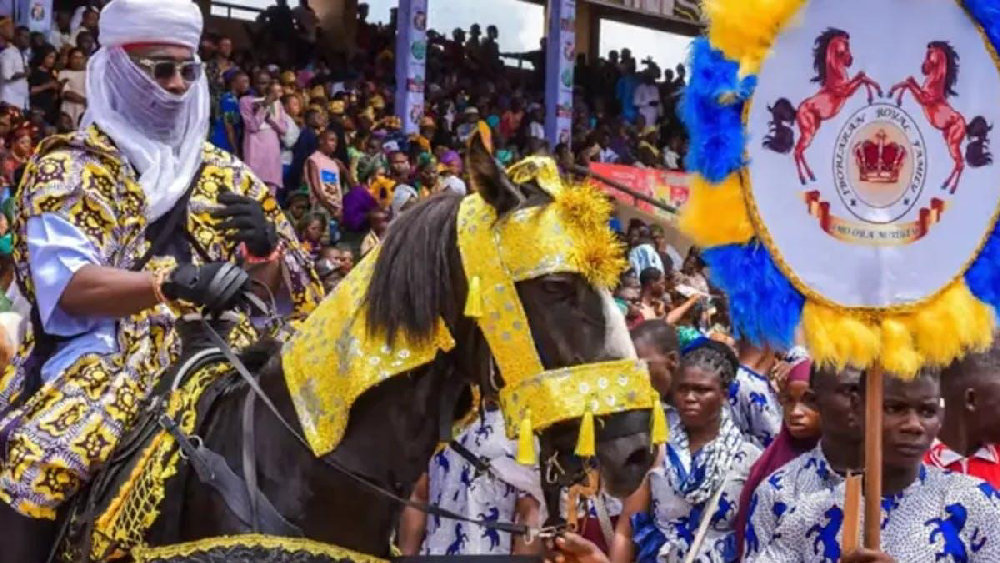
In a rapidly changing world, Ojude Oba provides a moment for the Ijebu people to pause and remember.
Remember their ancestors.
Remember their communities.
Remember their traditions.
And remember where they came from.
Because when the music stops and the crowds eventually disappear from the streets, something remains.
A connection between a people and their homeland.
A tradition passed from parents to children.
And a simple message repeated every year:
No matter how far you travel, there is always a place to come home to.
That is Ojude Oba.
Not merely a festival.
A celebration of Ijebu identity, heritage and homecoming.
7